What to Consider Before Getting a Hair Color Correction
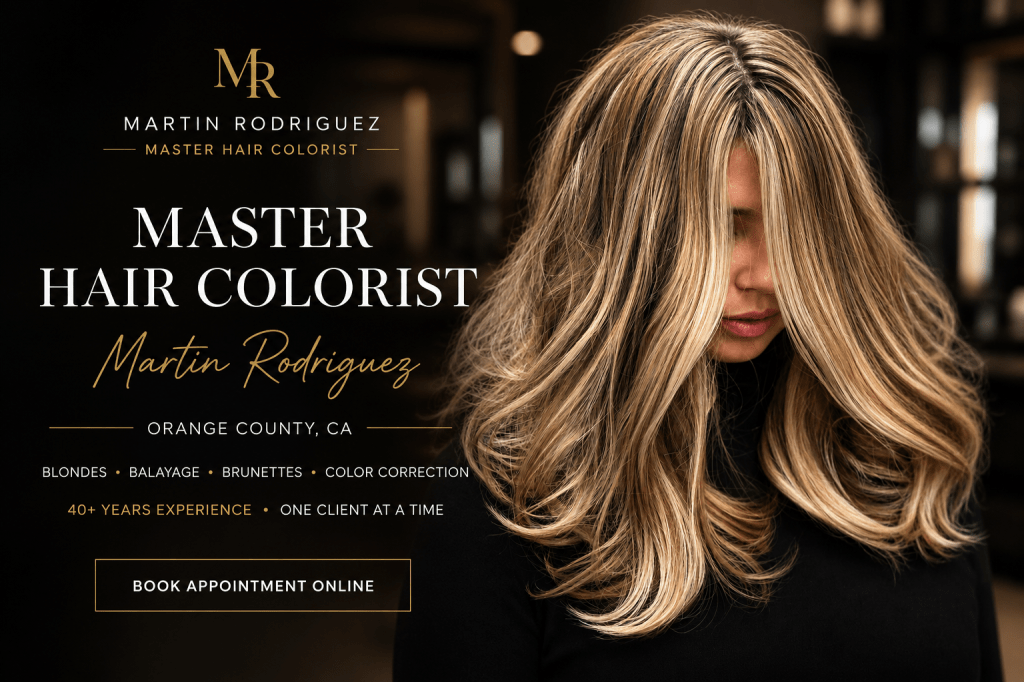
By Master Hair Colorist Martin Rodriguez – Orange County, CA
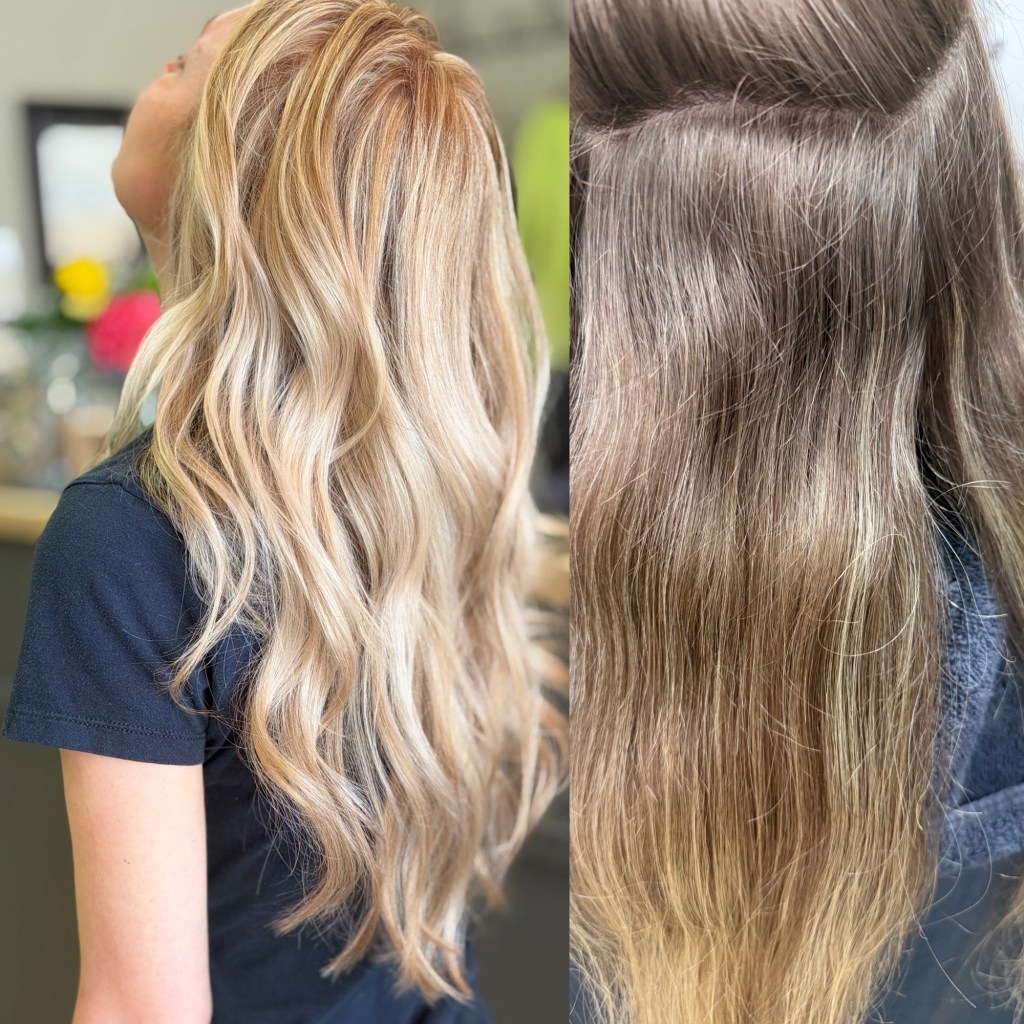
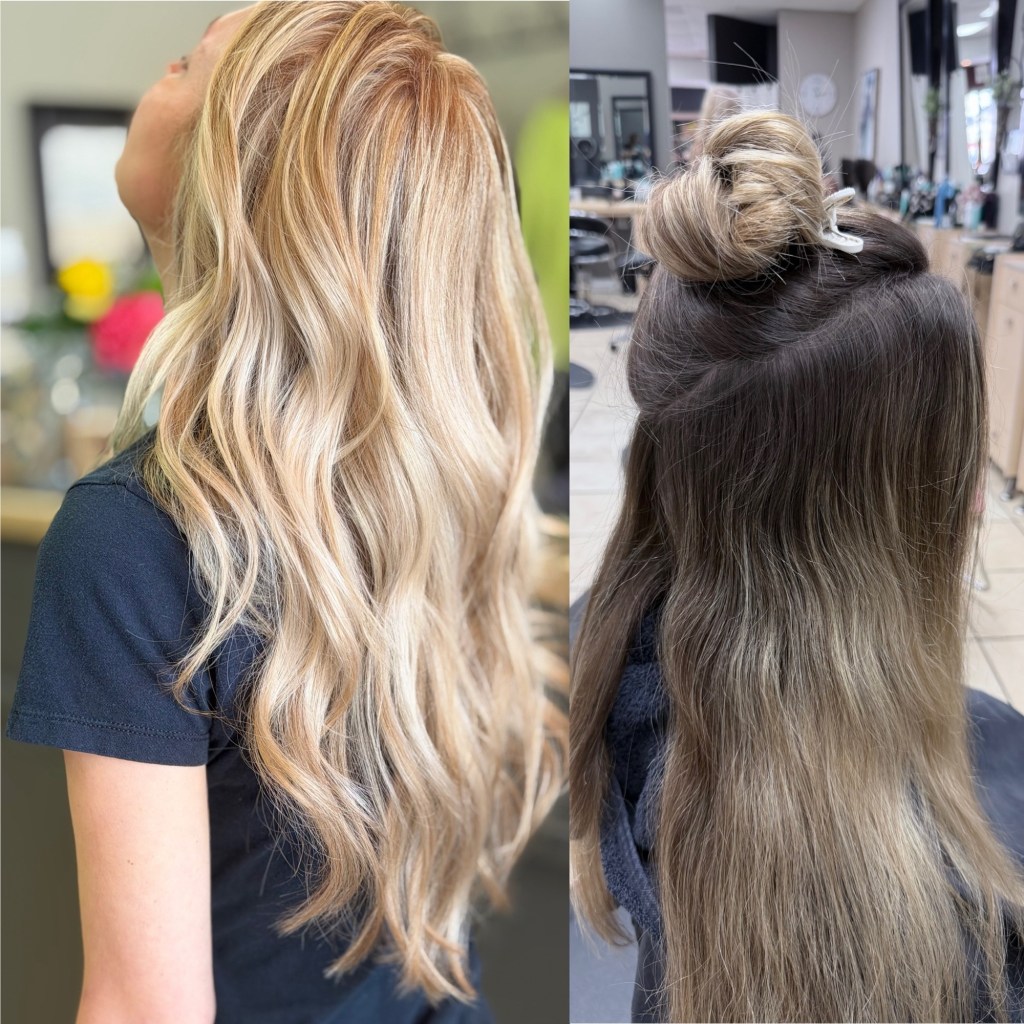
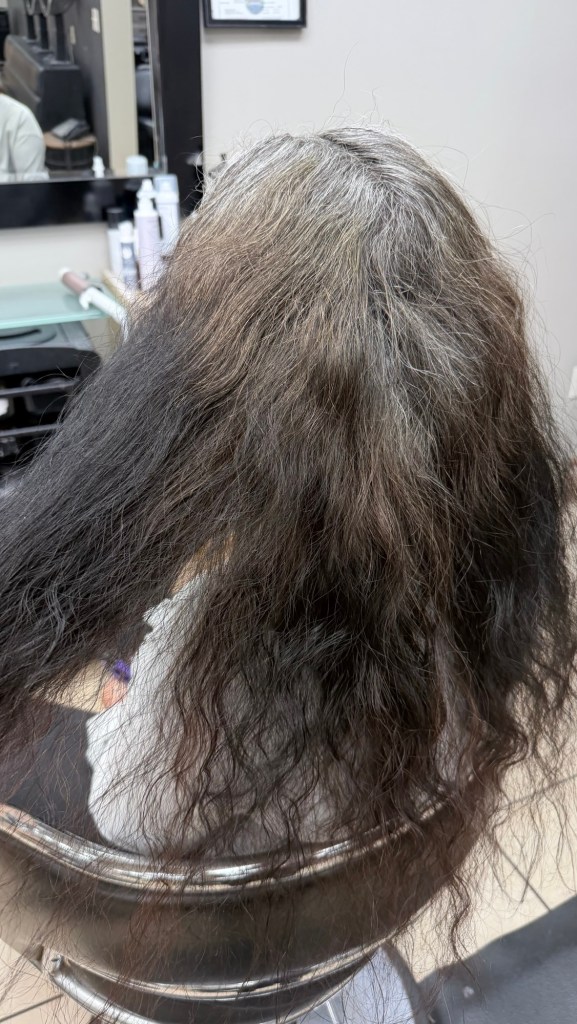
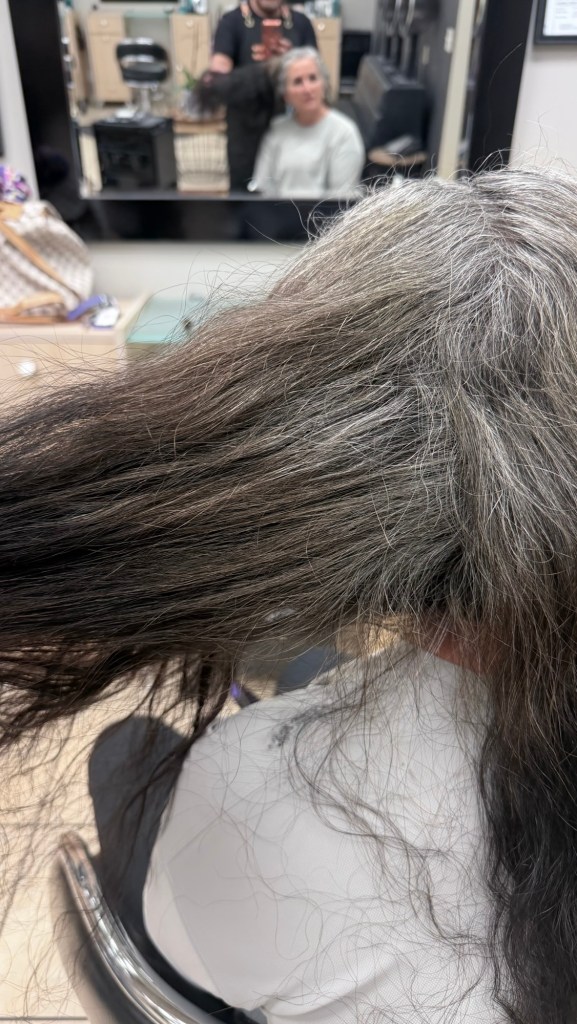
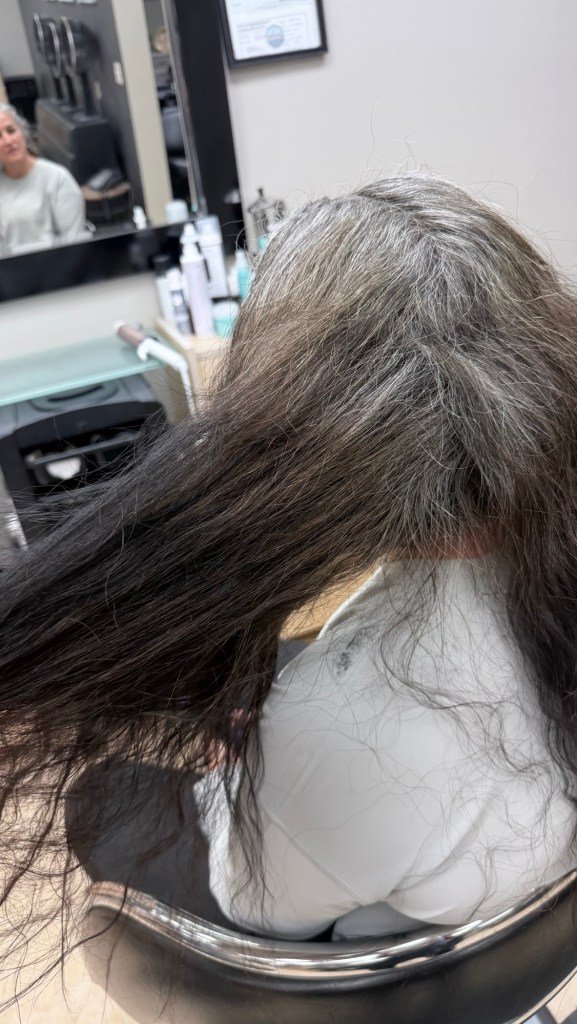
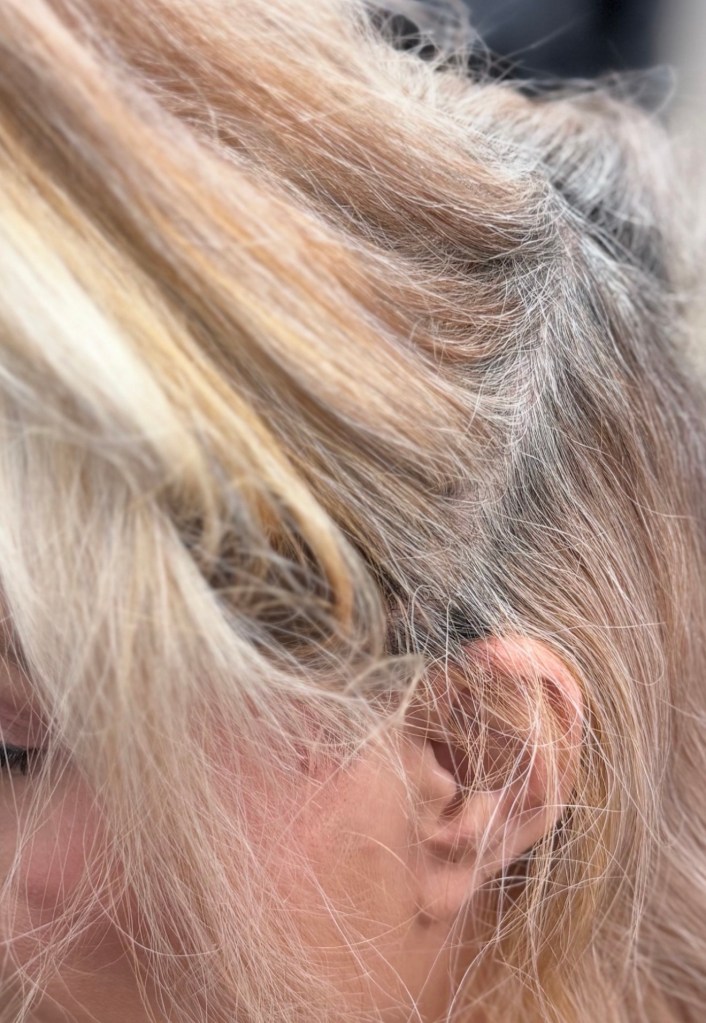
Hair color correction is not a quick salon visit—it’s a technical, chemical, and artistic process that requires experience, patience, and precision. Whether you’re fixing banding, brassiness, uneven tones, or going from dark to light, understanding what goes into a proper correction will help you make the right decision.
Here are the most important things to consider before starting your hair color correction journey.
1. Finding the Right Colorist
Not all stylists are trained in hair color correction.
A true color correction specialist must understand:
- Hair history (previous color, chemicals, damage level)
- Underlying pigments and how they lift
- How different color lines react on the hair
- When to lighten, when to deposit, and when to stop
Hair is not just “color on top”—it’s a chemical structure. Every service done in the past affects what can be done today.
An experienced colorist will:
- Ask detailed questions about your hair history
- Perform strand tests when needed
- Create a step-by-step plan—not guess
This is where most salons fail. Without proper knowledge, hair is often over-processed, rushed, or incorrectly formulated.
2. How Many Visits Will It Take? (Be Realistic)
One of the biggest misconceptions is expecting a full correction in one visit.
The reality:
- Dark to blonde transformations often take multiple sessions
- Previously colored hair does not lift evenly
- The integrity of the hair must always come first
A professional will prioritize:
- Maintaining hair strength
- Lifting in controlled stages
- Refining tone gradually
If someone promises platinum blonde from dark hair in one session, that’s a red flag.
Great color correction is a process, not a shortcut.
3. Budget & Commitment
Hair color correction is an investment.
Why?
- Longer appointment times (often several hours)
- Advanced formulation and product usage
- Precision work with placement and toning
- Multiple sessions in many cases
Ask yourself:
- Are you prepared for the financial commitment?
- Can you follow through with maintenance visits?
Cheap corrections usually lead to:
- More damage
- More corrective work later
- Higher long-term cost
Doing it right the first time saves your hair—and your money.
4. Professional Commitment & Understanding of Chemistry
Hair color correction is where science meets artistry.
A professional must understand:
- pH levels and how they affect the hair
- How lightener behaves at different levels
- When to use low volume vs high volume developers
- How to neutralize unwanted tones (not just cover them)
For example:
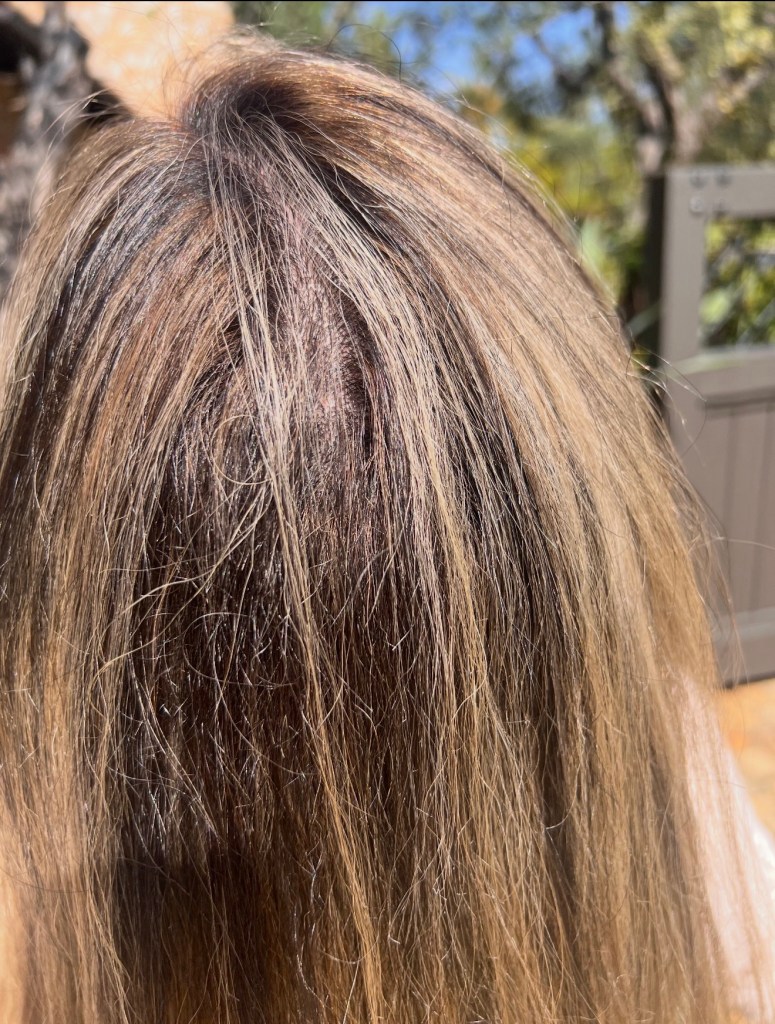
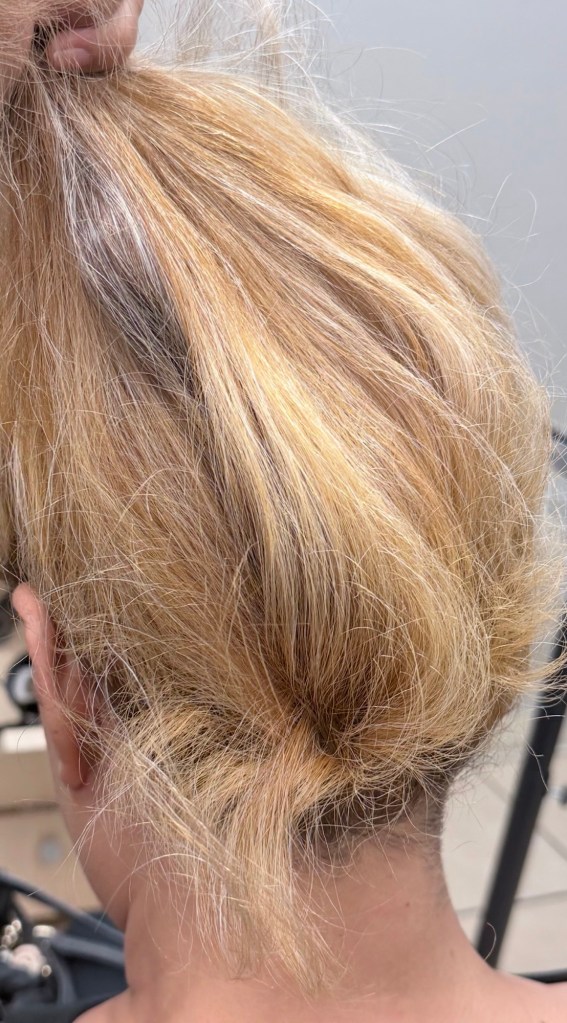
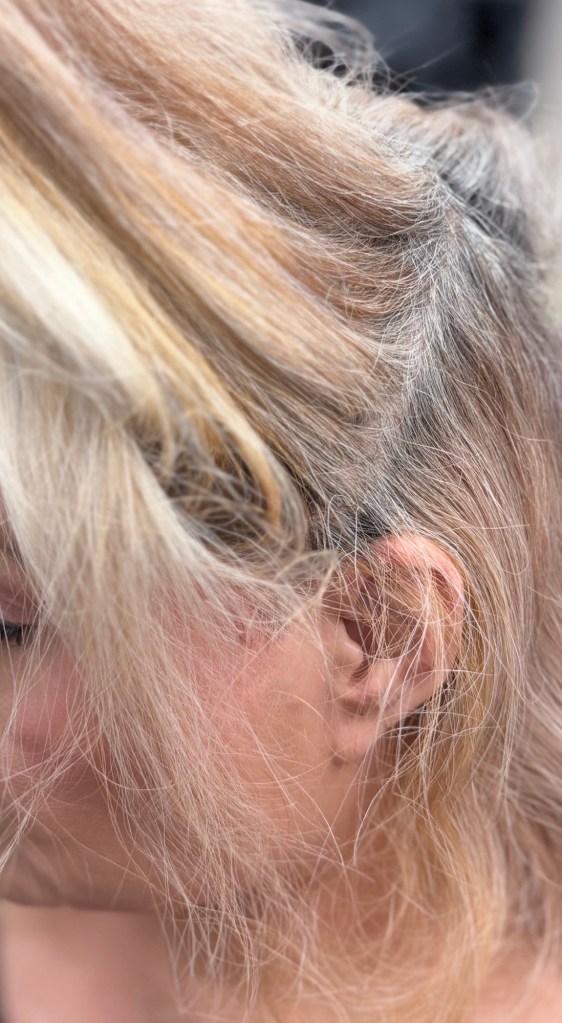
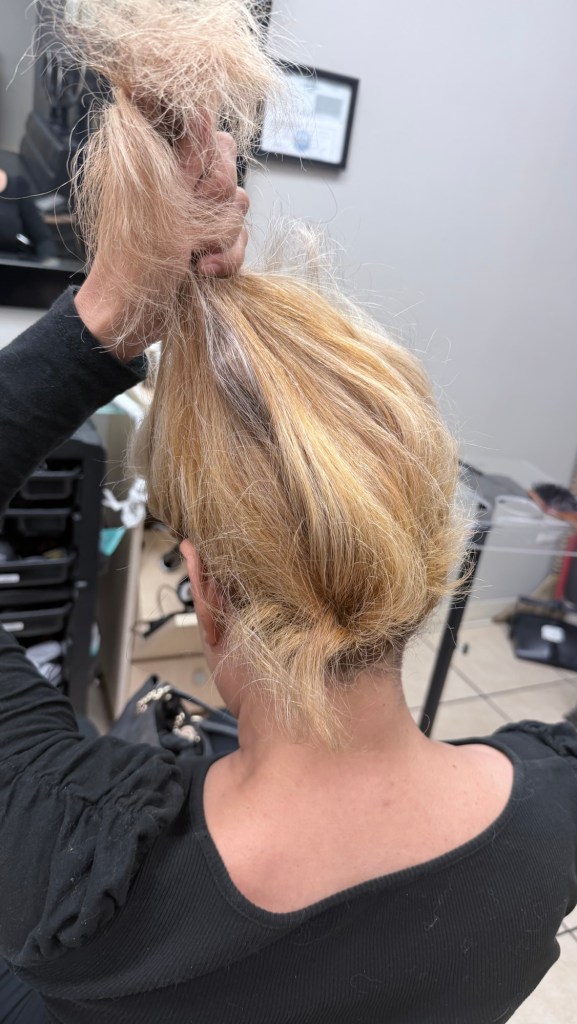
- Brassy orange tones require proper neutralization—not just adding ash blindly
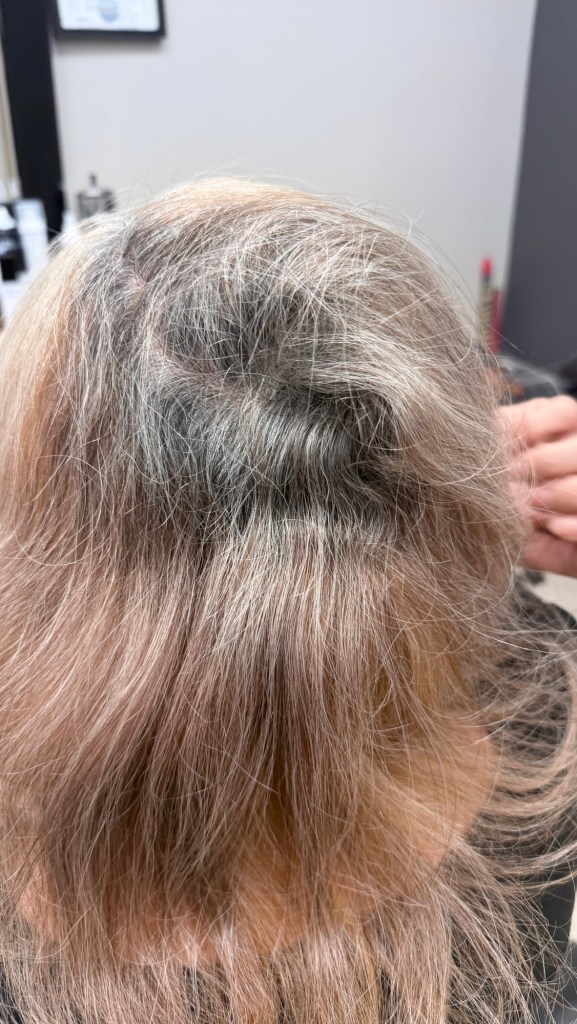
- Uneven lifting requires selective placement—not full-head application
5. Color Placement Matters More Than Most Think
Even with the perfect formula, poor placement will ruin the result.
Strategic placement considers:
- The shape of the head (rounds and flats)
- Where light naturally hits the hair
- Where dimension or depth is needed
- Face-framing vs interior color
Lighter tones placed correctly:
- Enhance movement
- Define the haircut
- Create natural dimension
Darker tones placed correctly:
- Add contrast
- Control brightness
- Balance the final look
Hair color is not just formula—it’s placement, balance, and vision.
Final Thoughts
Hair color correction requires:
- Honesty
- Patience
- Skill
- A true understanding of chemistry
When done correctly, the result is not just better color—it’s healthier, stronger, and more natural-looking hair.
At MartinRodriguez.com, every correction is approached with:
- Over 40 years of experience
- One client at a time focus
- A customized plan for your hair—not a one-size-fits-all formula
Ready for a Real Color Correction?
If you’re serious about fixing your hair the right way, start with a consultation.
All services are customized. Final pricing is confirmed during your consultation.



Leave a Reply