Healthy Blonde Hair in 2025 – A Master Colorist’s Pro Secrets
Introduction
Forty years behind the chair gives a person a clear view of patterns. In my Fountain Valley salon, I watch trends rise and fade, but one shift in blonde hair stands out more than any other. Healthy blonde hair in 2025 looks very different from the ice‑white looks that ruled past decades.
Clients who once begged me for high‑lift platinum now sit down and say something very different. They want shine, strength, and softness first, brightness second. The days of trading hair health for a fleeting icy tone are fading, and a new focus has taken center stage. That focus sits at the heart of what I share in Healthy Blonde Hair in 2025: A Master Colorist’s Pro Secrets.
I built my career on advanced color, corrective work, and refined balayage. I also created the ColourWand tools to place color with precision and care, which helps me protect the hair while I lighten it. At Martin Rodriguez Hair Colorist, every formula and every foil serves one goal: protect the fiber while we create the color.
This guide puts my best professional practices in one place. I walk through the shift to softer “healthy bronde”, the exact washing schedule I give my own clients, foolproof purple shampoo rules, treatment strategies, heat and sun defense, and the salon plan that keeps blondes strong year after year. By the end, you will know how I keep blonde hair not just pretty for a week, but beautiful and resilient for the long haul.
“Shiny hair beats lighter hair every single time,” is the sentence my regulars are tired of hearing me say—but they also agree with it.
Key Takeaways
Before we dive deep, it helps to see the big picture. These are the professional habits I rely on with every blonde client in my Orange County chair. Treat them as a master checklist for long‑lasting, healthy blonde hair.
- Wash blonde hair less often than most people think. Two to three shampoos per week works well for balayage and highlighted looks. One to two shampoos per week protects very light or platinum hair from dryness and toner fade.
- Keep purple shampoo in the “special tools” box, not the daily one. Use it once a week or every ten to fourteen days, and only for a minute or two. This schedule controls brass without leaving hair dull, patchy, or gray.
- Treat your hair like fine fabric every time heat comes out. Apply a real heat protectant before blow dryers or hot tools and keep the temperature under 350°F (about 175°C). This single habit saves more blonde length than any mask ever can.
- Feed your blonde with weekly masks and daily light oils or serums. Masks repair and hydrate the inner fiber, while oils seal the cuticle and guard the ends. Together, they keep hair soft instead of straw‑like.
- Commit to a smart salon plan with toners and glosses every four to eight weeks. Add root, face‑frame, and full blonding visits on a steady rhythm instead of waiting for a crisis. Planned blondes stay bright, even, and strong.
- Consider the 2025 “healthy bronde” shift if hair feels tired or over‑lightened. Strategic dimension and softer lift often give more shine, better tone, and easier upkeep than extreme platinum.
The 2025 Blonde Revolution – Why My Clients Are Choosing “Healthy Bronde” Over High-Lift Platinum

When I look around my salon now, I see fewer icy heads and far more soft, dimensional blondes, a shift that mirrors what 25 TOP HAIR INFLUENCERS are showcasing across social platforms in 2025. The “Old Money” platinum look that once filled my books has started to move aside. In its place, my clients ask for hair that feels like it belongs on them, not just on a screen.
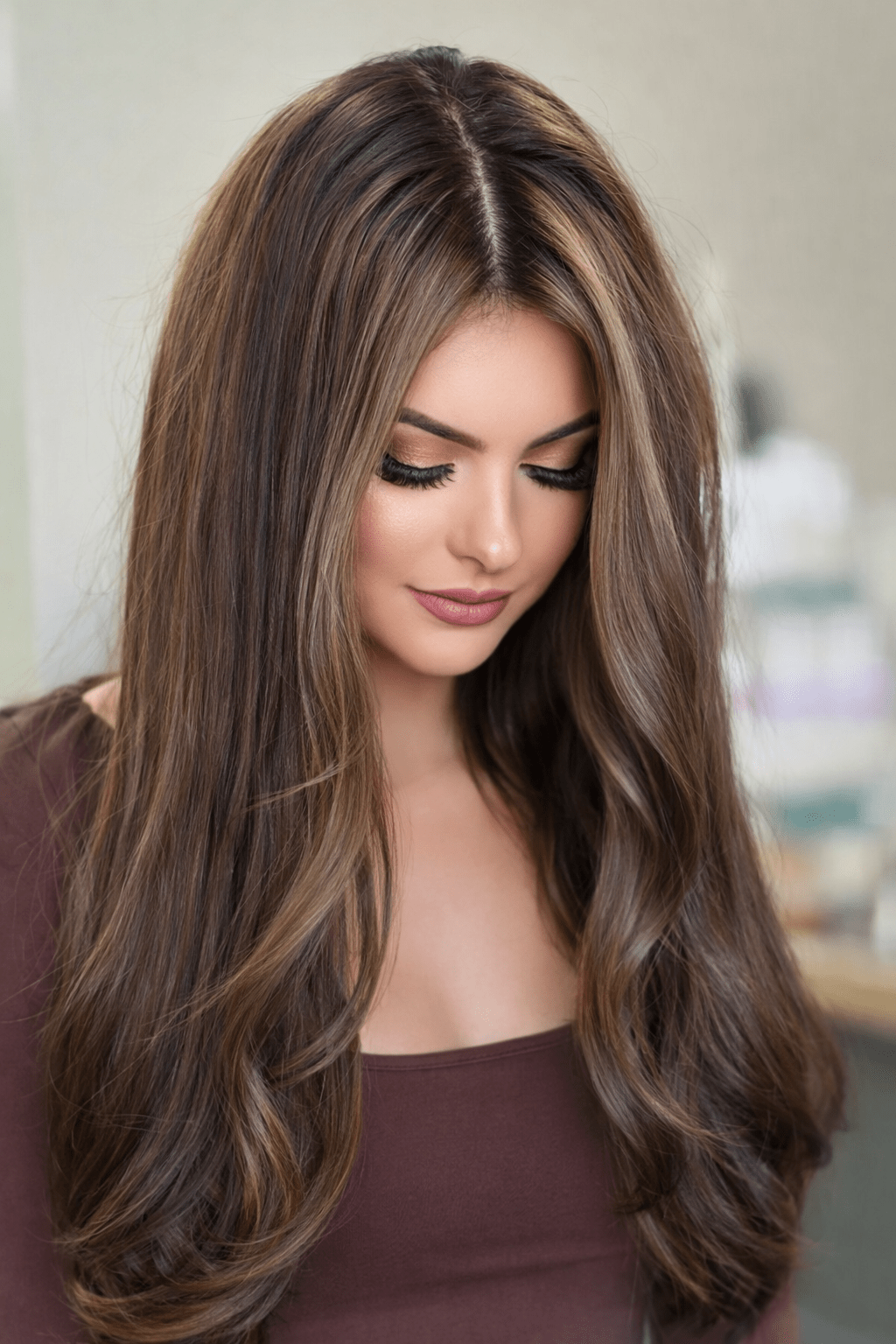
Healthy bronde sits at the center of this change. Bronde lives between blonde and brunette, with ribbons of light woven through soft depth. Instead of stripping the hair to its palest point, I lift only as far as the hair can stay strong. Then I add tone that works with the natural warmth in the fiber rather than fighting against it.
This choice brings very real benefits:
- Bronde grows out in a soft blur instead of a hard line, so my clients stretch appointments without feeling “rooty” or harsh.
- Because we no longer push the hair to its limit every visit, strands feel smoother, shine returns, and breakage slows.
- Many of my former platinum clients tell me their hair finally passes their shoulders again after years of snapping off.
At Martin Rodriguez Hair Colorist, I use my ColourWand tools to place light exactly where it flatters the most. This precision lets me keep plenty of stronger natural hair between lighter pieces, which supports the structure and preserves movement.
As I often tell guests, “Soft dimension paired with strong hair looks richer than flat, over‑lightened color every single time.”
In 2025, I see healthy bronde not just as a passing trend, but as a smart path for anyone who wants bright hair that still behaves, shines, and moves.
My Professional Washing Protocol – The Foundation Of Blonde Hair Health
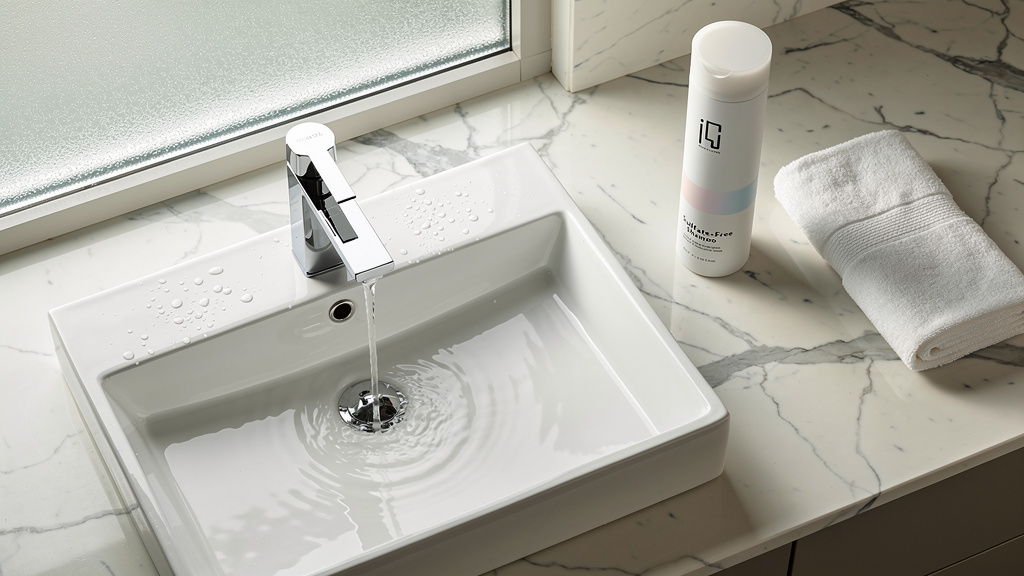
If I had to pick the number one habit that quietly ruins blonde hair, it would not be bleach. It would be washing too often with the wrong shampoo. I watch beautiful salon work fade away in weeks when clients scrub daily with harsh cleansers.
Every shampoo lifts away natural oils that protect the strand. It also loosens the delicate toner molecules that keep blonde shades cool, neutral, or softly warm. Once that fine layer of color slips away, the raw gold and orange from the lightening process shows through.
“Your shampoo routine is your first line of defense,” I remind clients. “If that’s wrong, everything else has to work twice as hard.”
The Exact Washing Schedule I Recommend
I adjust washing schedules based on how light the hair is and how it was colored. Not every blonde head needs the same routine. The goal stays simple: keep the scalp clean with the least stress on the mid‑lengths and ends.
For balayage and highlighted blondes, I recommend:
- 2–3 shampoos per week
- Dry shampoo on off‑days, applied mainly at the root
- Avoiding dragging the ends through water more than necessary
The darker root area hides a bit of oil, and the lighter pieces still stay fresh with this rhythm. On the “off” days, a light dry shampoo at the root keeps styles fresh without over‑cleansing the rest of the hair.
For high‑lift or platinum blondes, I pull that back to:
- 1–2 shampoos per week
- Gentle scalp brushing in between to move natural oils
- Optional cool‑water rinses without a full lather
Very light hair is more porous, so it loses moisture and toner far faster in water. Many of my lightest clients feel nervous at first, but within a few weeks they notice less frizz, fewer split ends, and a softer feel.
If someone worries about scalp health, I remind them that:
- A gentle brush at the root,
- A quick cool‑water rinse, and
- A light leave‑in
can freshen the scalp without a full wash. Oil on the scalp for a day or two is normal; fragile mid‑lengths and ends under constant stress are not.
Why Sulfate-Free Shampoo Is Non-Negotiable
The type of shampoo matters just as much as how often you use it. Traditional formulas often rely on sulfates, strong detergents that foam nicely but strip hard. On blonde hair, that harsh action removes not only dirt, but also toner and precious natural oils.
Lightened hair already has a more open cuticle. When sulfates hit, that cuticle lifts further, color washes out faster, and the strand feels rough and squeaky instead of smooth. Over time, this leads to:
- Dullness
- Breakage
- Constant brassiness that no purple shampoo can fully hide
I insist on color‑safe, sulfate‑free shampoo for my blonde clients. These formulas clean the scalp and hair without tearing through the protective layers we work so hard to preserve in the salon. They also help keep the hair at a healthy pH, which keeps the cuticle flatter and the fiber calmer.
Many clients see an instant difference in shine, softness, and color stamina just from this one change.
Mastering At-Home Toning – My Purple Shampoo Rules Every Blonde Must Follow
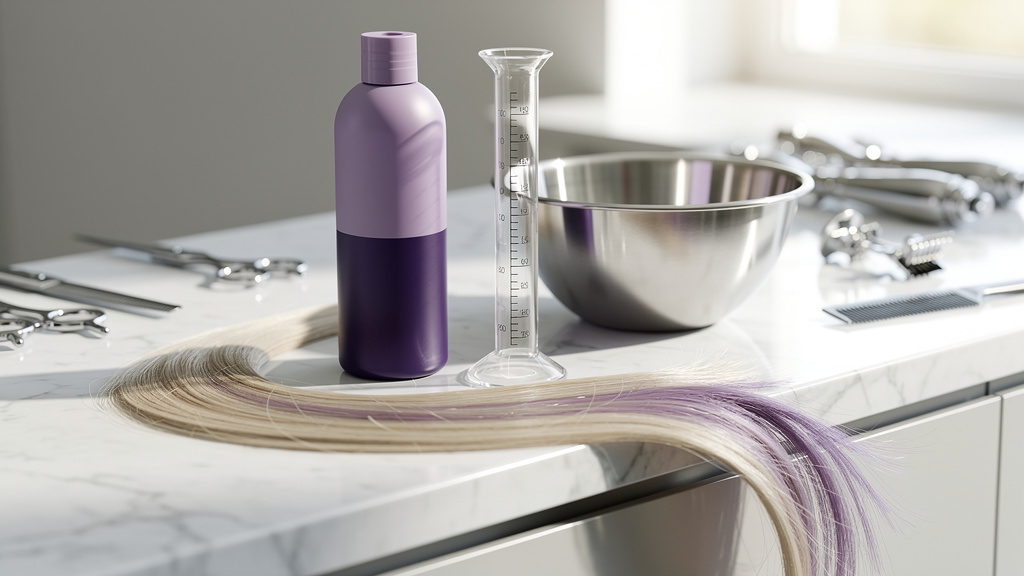
Purple shampoo might be the product I answer the most questions about. Used with care, it keeps yellow tones in check and stretches the life of salon toners. Used the way social media often shows, it turns expensive color flat, muddy, or oddly gray.
As a colorist, I see purple shampoo as a support tool, never as the main color service. It can cool down light yellow, but it does not replace a true professional toner that balances multiple pigments at once. My goal is always to help clients use it just enough to help, never enough to harm.
The Professional Purple Shampoo Protocol
I walk every new blonde client through the same basic protocol. It keeps their tone clear while protecting the delicate dimension I paint in.
1. Keep the frequency low
- Use purple shampoo once a week at most, or
- Every 10–14 days for very light but healthy blondes
This rhythm touches warmth before it takes over, without building up a heavy violet film on the hair.
2. Focus on the right placement
Apply the product mainly through the mid‑lengths and ends, where brass usually shows first. Roots with deeper “shadow” or natural depth rarely need purple pigment and can look muddy if treated the same way.
3. Respect the timing
For most blondes:
- 1–3 minutes on the hair is plenty
- Fine or very light strands often need the shortest timing
Leaving it on for ten or fifteen minutes rarely makes hair cooler; it just makes it dull and over‑coated.
4. Avoid it right after a salon toner or gloss
The color I apply at Martin Rodriguez Hair Colorist already sits in careful balance when you leave my chair. Extra violet pigment on top of that work can push the hair to a smoky or dirty gray that nobody requested.
5. Adjust based on how your hair reacts
- If the tone starts to look flat or slightly gray, stretch the time between uses or shorten the contact time.
- If brass creeps in sooner during summer or after travel, add one extra use, then step back again.
A good rule of thumb: “Purple shampoo is a spot‑treatment for brass, not a daily body wash for your hair.”
Daily Hydration – Serums And Oils For Blonde Vitality
Lightened hair often feels dry not only because of bleach, but because the natural scalp oils never reach the ends. The cuticle can be rougher and more open, so oil has a hard time gliding down the strand. The result is a greasy root with dry, frizzy ends that refuse to smooth.
To correct that, I ask clients to treat their mid‑lengths and ends like skin that needs daily moisturizer. A light, silicone‑based serum or a very fine hair oil makes a world of difference. The key is to:
- Use a pea‑sized amount
- Warm it between the hands
- Glide it through the middle and ends of the hair
I like this applied:
- On damp hair after every wash, and
- Again in tiny amounts on dry hair when needed
The product smooths the cuticle, adds slip, and helps light reflect better. Over time, it:
- Slows split ends
- Keeps color looking glossy
- Gives that “expensive” finish even on low‑maintenance healthy bronde looks
Essential Treatment Strategy – Weekly Masks For Structural Repair

Every lift, even the most careful one, changes the inner structure of the hair. Blonde hair often feels soft at first, then suddenly swings to brittle or limp as the weeks go by. That swing comes from higher porosity, which means the hair soaks up moisture fast but loses it just as fast.
Weekly masks act like deep therapy sessions for the fiber. They refill either moisture, strength, or both, depending on what the hair lacks. For my blonde guests at Martin Rodriguez Hair Colorist, I consider this step non‑negotiable, especially for those who love bright, clean tones.
Choosing Your Treatment Type – Hydration, Protein, Or Bond-Building
The right mask starts with an honest look at how the hair feels and behaves. I guide clients through a few simple tests in the salon, then send them home with a clear plan.
Hydration‑focused masks serve hair that feels:
- Dry
- Rough
- Straw‑like, especially on the last few inches
These formulas usually contain ingredients such as glycerin, aloe, and lightweight plant oils that draw and hold water inside the strand. After a month of weekly use, hair that once snagged on the brush starts to glide and move again.
Protein‑based masks help when hair:
- Stretches like taffy when wet
- Snaps easily when combed
- Feels floppy and weak
These products include keratin, collagen, or amino acids that rebuild some of the inner scaffolding that lightener weakened. I tell clients to save these for once or twice a month, because too much protein can leave hair stiff and more prone to breakage.
Bond‑building masks come into play when hair shows clear stress from past color work, such as:
- White dots on ends
- Constant shedding
- Breakage close to the root
These formulas aim at the tiny bonds deep in the strand that hold the structure together. Used regularly, they can bring fragile blonde hair back to a point where it tolerates gentle styling again.
I also teach clients a few simple checks at home:
- If hair feels rough but still strong, it usually needs more moisture than protein.
- If it feels mushy when wet and then breaks, it needs strength and bond repair.
During heavy blonding seasons or after major corrective work, I often suggest rotating between:
- A hydrating mask one week, and
- A bond‑builder the next
My own approach always respects the history of the hair. Someone with years of overlapping highlights needs a more careful plan than a first‑time bronde guest. By matching the mask to the lift level, damage level, and season, we keep hair from tipping too far into either weak or stiff territory.
The Heat And Environmental Defense System I Teach Every Client
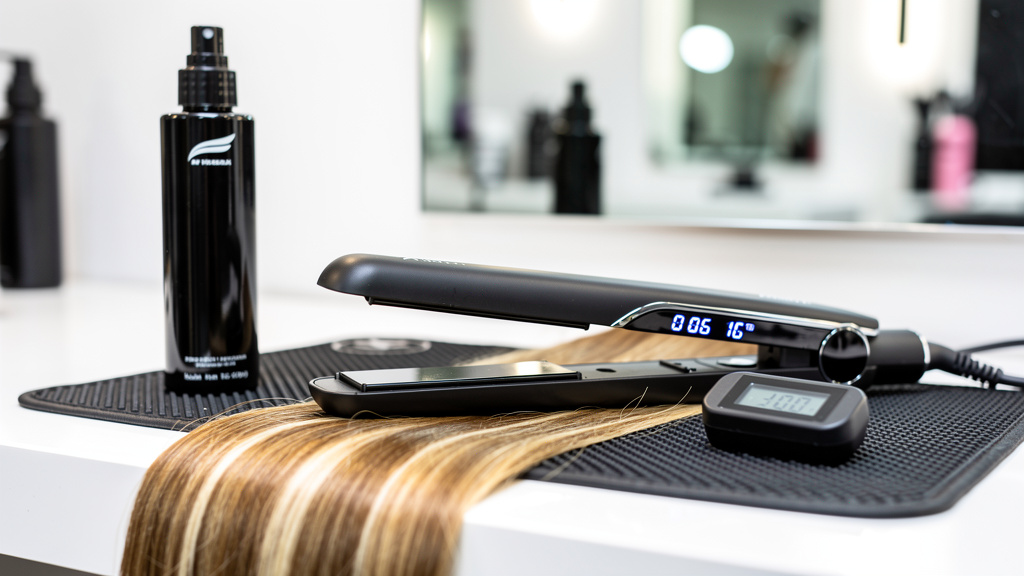
Color services, masks, and toners do half the work. The other half happens every day at home, where heat tools, sun, and even tap water attack all that careful salon work. Blonde hair shows this damage faster than darker shades because light reflects off every flaw.
I remind clients that they invest real time and money in their color at Martin Rodriguez Hair Colorist. Protecting that investment means setting a few clear rules about what touches their hair. Once these habits settle in, blondes keep their tone longer and see less breakage between visits.
“Think of your hair like your favorite silk blouse,” I say. “You wouldn’t blast it with hot water and high heat and expect it to last.”
Heat Protection – My Golden Rule For Tool Use
Heat styling is often where hair health wins or loses. Lightened hair already has a raised cuticle, so direct high heat burns and cracks that surface far faster than it would on untouched hair—a principle supported by research on 51 Female Inventors and their contributions to understanding hair structure and thermal damage. Those tiny cracks show up later as frizz, split ends, and pieces that never seem to grow.
My first rule is simple: no hot tool without a real heat protectant. That product goes on:
- Damp hair before blow drying, and
- Again on dry hair before flat irons or curling irons (if the product directions allow)
It should coat the hair evenly, not just the top layer, so I tell clients to comb it through gently.
My second rule sets a firm limit on temperature. For blondes, I keep tools between 325°F and 350°F (about 160–175°C). Hotter settings might work faster, but they cost length and shine over time. When I teach clients to:
- Work in smaller sections, and
- Take one slow pass instead of several fast passes,
they usually find they can lower the heat and still love the style.
UV And Sun Protection Strategies
Sunlight acts like a natural bleach on both color and the hair itself. On blonde hair, this means:
- Toner fades quicker
- Warm pigments peek through
- Ends dry out faster
A perfect cool tone in the salon can turn warm and dull after one beach weekend without protection.
I suggest leave‑in products with UV filters for any client who spends time outside, especially in Orange County’s sunny weather. A few sprays before heading out help shield both pigment and protein in the strand. For long days at the pool, lake, or beach, I also recommend a simple physical barrier like a hat or scarf, which blocks direct rays completely.
Before swimming in chlorine or salt water, I like clients to:
- Wet their hair with clean water
- Apply a light conditioner
- Rinse again with fresh water afterward
- Follow with a bit of leave‑in conditioner
When hair is already wet and coated, it soaks up less pool or ocean water and comes away softer and less tangled.
Combating Hard Water And Mineral Buildup
Many people never think about the water that hits their hair, yet it makes a major difference for blondes. Hard water carries minerals such as calcium, iron, and copper that cling to the hair surface. Over time those deposits can turn blonde hair yellow, orange, or even slightly green, and can leave it feeling sticky or stiff.
When I see these signs, I suggest:
- A clarifying shampoo once or twice a month to remove mineral film
- A shower filter for clients in areas with very hard water
At Martin Rodriguez Hair Colorist, I also offer in‑salon detox treatments for stubborn buildup. These services gently lift minerals and product residue without rough scrubbing. Many blondes are surprised to see how much brighter and softer their hair looks after this step, even before any new color goes on.
The In-Salon Strategy – Professional Maintenance Your Blonde Requires
Perfect blonde hair does not come from a single long appointment. It comes from a clear plan that respects both your goals and your hair’s limits. When clients bounce between salons or wait too long between professional visits, I often spend the first session just repairing past choices.
My aim with every blonde in my Fountain Valley chair is long‑term success. That means setting a schedule that balances tone upkeep, strategic lightening, and enough rest time for the hair. When we follow that plan together, emergency color corrections become far less common.
Toners And Glosses – The 4-8 Week Refresh Secret
Toners and glosses are the quiet heroes of blonde maintenance. They are demi‑permanent color services that sit gently on the hair, refine tone, and add serious shine. Even the best blonde will shift over four to eight weeks as daily life, sun, and water touch it.
At Martin Rodriguez Hair Colorist, I custom mix every gloss for the person in my chair. I consider:
- Their natural undertone
- The level of lift
- How their hair faded last time
With that information, I adjust warmth, coolness, and depth so the hair looks “on purpose” again, not just lighter or darker.
These services do more than change tone. They also smooth the cuticle, which:
- Helps light reflect evenly
- Makes hair feel like silk when you touch it
- Helps the strand hold moisture better and feel less frizzy
A 30–40 minute gloss visit every 4–8 weeks can keep a blonde looking fresh for months between major color sessions.
My Recommended Maintenance Schedule For Long-Term Hair Health
Along with gloss visits, I guide clients through a simple, steady schedule for other blonde services. This schedule may shift slightly for each person, but the framework stays similar.
For root touch‑ups on all‑over blondes or traditional foils, I usually suggest:
- Every 6–10 weeks
This keeps regrowth soft and avoids wide bands that demand aggressive lightening later.
For those who wear money pieces or bright face‑framing sections, a partial refresh every:
- 8–12 weeks
keeps the front bright without over‑working the back.
For full blonding sessions—such as complete balayage or a full head of highlights—I space these:
- About 4–6 months apart
Between those bigger visits, I use my ColourWand tools to add just a few well‑placed pieces where needed rather than re‑lightening everything.
By following this kind of planned schedule, my clients keep their hair strong, their color intentional, and their costs more predictable. We avoid harsh corrections and instead guide the color forward in smart, steady steps.
Conclusion
Healthy blonde hair in 2025 is not about chasing the lightest shade at any cost. It is about smart choices that honor the hair first, then build brightness and dimension on that strong base. From my chair in Fountain Valley, I see that the clients who follow this path enjoy both beautiful color and hair that finally behaves.
The move toward healthy bronde, gentle washing routines, thoughtful purple shampoo use, weekly treatments, and strict heat protection all point in the same direction. They support the work we do together in the salon, instead of fighting against it. When we pair that home care with regular glosses and a realistic blonding schedule, hair stays shiny, soft, and far less prone to breakage.
My own philosophy at Martin Rodriguez Hair Colorist is simple: hair color should fit your life, not control it. With four decades of color experience, a deep focus on correction work, and the precision tools I developed with ColourWand, I help clients in Orange County reach their blonde goals without sacrificing health.
If you are ready for blonde hair that looks refined and feels strong, I invite you to sit in my chair. Together we can map out a custom plan, whether that means easing from platinum into bronde or refining the blonde you already wear. With the right strategy, your blonde can stay both breathtaking and resilient for years.
FAQs
How Often Should I Really Be Washing My Blonde Hair To Keep It Healthy?
For most balayage or highlighted blondes, I suggest two to three shampoos per week. For very light, high‑lift, or platinum hair, once or twice per week keeps the fiber safer. This rhythm helps preserve your toner and your natural oils, which protect the strand more than any styling cream.
Can I Use Purple Shampoo Every Time I Wash My Hair?
I never recommend that. Daily purple shampoo use builds up pigment, which makes blonde hair look dull, gray, or patchy. Use it once a week or every ten to fourteen days instead so it controls brass without smothering your color.
What Is The Difference Between A Gloss And A Toner, And Do I Really Need Them?
In the salon, “gloss” and “toner” usually describe the same kind of demi‑permanent color service. Both refine tone, add shine, and smooth the cuticle so light reflects better. For blondes, I consider them essential every four to eight weeks, because they keep the shade balanced and protect the investment you made in your bigger blonding sessions.
My Blonde Always Turns Brassy Between Appointments. What Am I Doing Wrong?
Brass often comes from a mix of:
- Over‑washing
- Hot water
- Sun exposure
- Heat styling
- Hard water minerals
Start by washing less often with a sulfate‑free shampoo and cooler water, then add UV protection and a heat protectanteach time you style. If your area has hard water, use a monthly clarifying shampoo or ask me about a detox service in the salon to clear buildup. When brass shows up fast even after these changes, a custom gloss schedule can make a big difference.
Is The “Bronde” Trend Right For Me, Or Should I Stick With Platinum?
Bronde works very well for people who want soft brightness, lower upkeep, and better hair health. It allows more of your natural depth to support the strand while still giving a sun‑kissed effect. Platinum can still look beautiful, but it demands stricter washing rules, more frequent salon visits, and very careful heat use.
During a consultation at Martin Rodriguez Hair Colorist, I look at your hair’s current condition and your lifestyle to guide you toward the option that will keep both your color and your hair in the best shape.
martinrodriguez.com
coloristmartin.com
haircoloristmartin.com
masterhaircoloristmartinrodriguez.com
Ooh la la salon spa ,Fountain valley ca 92708
 Hair COLORIST Martin Rodriguez
Leave a comment