
Introduction
A bad hair color changes more than how hair looks. I see people walk in with patchy, brassy, or broken hair, shoulders tight and eyes down. After careful color correction, that same person sits taller, smiles wider, and actually likes what they see in the mirror again.
My name is Martin Rodriguez, and I have spent more than 40 years as a master colorist and color correction specialist at Ooh La La Salon Spa in Fountain Valley, California. Clients come from across Orange County because I am known for fixing what other stylists could not fix, one careful session at a time. Master Hair Color Correction Fountain Valley | Martin Rodriguez 2025 is not just a page title; it sums up the standard I hold myself to every day.
I work with one client at a time, from the first question to the final blow-dry. Every strand, formula, and foil is handled by me only. I combine art and science, hair painting and chemistry, to correct banding, brass, box dye disasters, and serious damage while keeping hair as strong as possible.
In this article, I explain what professional hair color correction really is, the most common problems I fix, how my correction process works, and why hair health drives every decision. By the end, you will know what to expect, what is realistic, and how working with a master colorist can bring both hair and confidence back.
Key Takeaways
Here is the short version of what I cover:
- Color correction is detailed work. It fixes banding, brass, and box dye problems and always starts with a long consultation.
- I charge by the hour for corrections. Most sessions run six hours or more, and some cases need more than one visit.
- My process starts with hair history and hair health, restores strength with keratin and ceramides, then applies new color safely.
- I rely on science, not guesses. My training with chemist Dennis Gebhart and my ColourWand tools guide every step.

“Color correction is controlled chemistry, not magic. When you understand what lives inside the hair, you can change the color without destroying the fiber.”
What Is Professional Hair Color Correction?
Professional hair color correction is the process of fixing unwanted results from previous color work. That might mean lifting out heavy box dye, cooling down a brassy blonde, softening harsh bands, or bringing life back to over-processed hair. It is never just “putting one more color on top.” It is a planned rebuild of both tone and strength.
Standard color services are usually done on hair that is already fairly even and in decent shape. Correction, on the other hand, starts with hair that has problems built in:

- Pigment can be layered, uneven, or over-dark.
- The cuticle can be swollen, porous, or fragile.
- Different sections may react very differently to the same formula.
That is why I treat correction as a specialty, not just “more color.” Each step has to be slow, deliberate, and based on chemistry rather than luck.
To correct color safely, I need to understand:
- How artificial pigment sits inside the hair
- How natural melanin behaves when lightener hits it
- How far the hair can safely go in a single visit
This is where science and art meet. I use my eye for tone and placement, plus my training in hair chemistry, to design a plan that respects the limits of the hair.
Over four decades, I have studied with some of the sharpest minds in the industry, including chemist Dennis Gebhart. I serve as West Coast Regional Artistic Director for Chromastics Hair Color and am part of the Guru Village Educational Team. I completed the Masters of the Disaster program so I can walk into even the worst cases with a calm, methodical plan. Corrections cannot be rushed, and many take more than one visit, but with a solid process, badly colored or fragile hair can return to a believable, flattering shade.

Common Hair Color Problems We Fix At Martin Rodriguez Hair Colorist
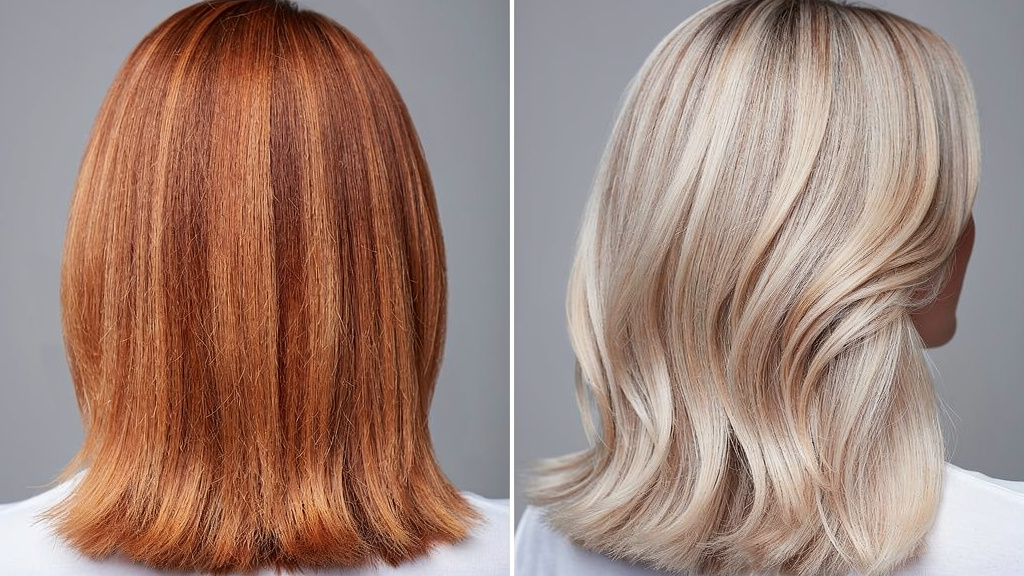
Most people find me after something has gone very wrong with their color. They have tried at-home fixes, quick salon visits, or “one more box” from the drugstore. When they sit down, I always say the same thing: I have seen it all, and I am not here to judge. My only focus is getting the hair back on track.
Here are the most common color problems I correct:
- Banding
Banding appears as visible stripes or blocks of color—often lighter in the mid-lengths and darker at the roots and ends. It usually comes from overlapping lightener or color again and again on the same area while other spots are missed. Chemically, some sections get more lift than others, so melanin breaks down unevenly.
I fix banding by carefully softening the over-light areas and gently lifting the darker bands so everything meets in the middle. - Brassy Or Orange Blondes
When darker hair lifts, the red-yellow pigment called pheomelanin shows through. If lightening is rushed or the toner choice is off, that warm pigment takes over and hair looks orange or dull.
I use my understanding of both eumelanin (brown-black pigment) and pheomelanin to judge how far a client’s hair can safely go and which tones will cool the brass without leaving the hair muddy or flat. - Box Dye Disasters
Drugstore color packs lots of direct dye and strong alkalinity into one formula so it can “work on everyone.” On real hair, that often means inky roots, muddy mids, and faded ends that refuse to lift evenly.
Removing that pigment without shredding the hair takes slow, controlled steps and a lot of patience. This is where experience and chemistry matter most. - Patchy Color And Chemical Damage
I often see uneven, patchy color from rushed application, under-processed highlights, or mixing mistakes. Texture and porosity differences can make the back and front lift at different speeds, so nothing matches.
In more serious cases, repeated strong bleach or overlapping lightener has caused breakage, frizz, and rough texture. In every situation, I go back to the same promise: I have fixed every kind of color disaster. Do not be afraid to call me even if you have been “cheating” with another hairstylist; I will always take you back and focus only on what you need now.

The Martin Rodriguez Color Correction Process: What To Expect
Color correction with me always starts with an in-person consultation. I do not give price quotes or “quick opinions” over the phone because photos and words never tell the full story. During the consult, I look at the hair under proper lighting, feel the texture, and ask detailed questions about every chemical service from at least the last few years. Only then can I map out a safe, realistic plan.
In that first visit, I study:
- Your natural level, skin tone, and eye color
- Your ethnic background, which hints at how much pheomelanin you may have
- Hair density, strand size, and current condition
These clues tell me how the hair will respond to lightener, color removers, or deposit-only formulas. My goal is to find the best end result your hair can handle, not a dramatic photo pulled from social media.
Once we agree on a plan, we book a long appointment. Correction work is billed by the hour, starting at 200 dollars per hour, because every case is different. Most sessions run six hours or more, and some very damaged or heavily colored heads need more than one visit spread over weeks. To reserve that block of time, I require a 200 dollar non-refundable deposit, paid by Zelle. This protects my schedule and confirms that we are both fully committed to the process.
During the service itself, I move through clear phases that protect the hair while shifting the color step by step.
The Three-Phase Correction Approach

Phase 1: Hair History Analysis
I gather every bit of information I can about past colors, lighteners, relaxers, keratin treatments, and even strong at-home masks. I compare that story with what I see and feel on the hair. This helps me predict how the hair will react, where hidden pigment might live, and which areas are most at risk.
Phase 2: Hair Treatment Before Major Color Work
Before serious lifting or pigment removal, I prep the hair with formulas that include keratin and ceramides rather than quick, plastic-like coatings. These ingredients help refill weak spots in the cuticle and cortex so the hair can better handle lightener or color remover. I may use:
- Gentle clarifying steps
- Porosity equalizers
- Strength and moisture treatments
The goal is to make the “canvas” as even and strong as we can.
Phase 3: Protein And Color Restoration
After I carefully lift or shift the existing color, I work more protein and moisture back into the hair so it can safely hold the new shade. Then I apply custom-blended Chromastics Pure Tone Color to rebuild the tone we planned during the consultation.
On very damaged hair, I may choose to stop short of the dream shade and let the hair rest between visits. Timing is guided by hair health, not by the clock or a photo on a phone screen.
Why Hair Health Comes First: The Integrity-Based Approach
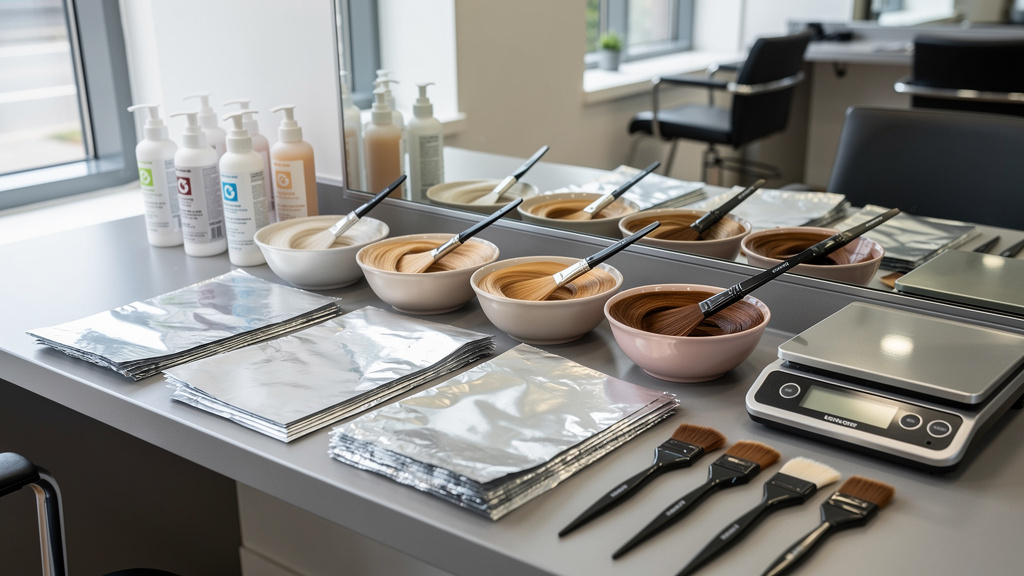
My core rule is simple: integrity first. Beautiful color only lasts on hair that is strong enough to support it. If I push hair past its limit just to copy a picture, it might look good for a week and then snap, frizz, or fade. I refuse to take that risk.
Instead of coating hair with heavy plastics or buzzword bond-builders, I work with the hair’s natural structure. I mix keratin and ceramides right into many of my color and lightener formulas:
- Keratin helps replace missing amino acids inside the strand.
- Ceramides help seal and support the outer layers of the cuticle.
This approach helps hair feel and behave stronger from the inside out.
Another key part of my method is pH balance. Lighteners and high-lift colors raise the hair’s pH to a very alkaline range to swell the cuticle and let pigment move. If hair is left in that state, it stays rough, dull, and prone to breakage. After processing, I use specific steps and products to bring the pH back toward the hair’s natural acidic level (around 4.5–5.5). This helps:
- Close the cuticle
- Lock in pigment
- Restore shine and smoothness
Protein and moisture restoration also play a huge role in how well color lasts. Hair with enough internal strength and balanced moisture will hold tone longer and fade more softly. For that reason, I sometimes slow down or split the plan into stages. If the hair is too fragile, I will delay or refuse parts of the service.
As I tell every new guest, “I will never trade the long-term health of your hair for a quick photo.”
My name is on every head that walks out of Ooh La La Salon Spa, and I would rather send someone home with a healthy, softer change than chase a risky makeover.
The Science Behind Successful Color Correction

Every strong correction rests on an understanding of what lives inside the hair shaft.
Natural Pigment: Eumelanin And Pheomelanin
Human hair contains two main types of natural pigment:
- Eumelanin – gives brown to black color
- Pheomelanin – gives red to yellow color and shows strongly when dark hair is lightened
When someone tells me their hair “always turns orange,” they are seeing pheomelanin that has not been fully controlled. During consultation, I look at more than the visible shade. Ethnic background and eye color (especially gold or copper flecks in the iris) help me predict how much pheomelanin is present and how it will respond.
Professional Hair Color Formulas
Most professional color lines are built from three main parts:
- Colorants – oxidative dyes for permanent color or direct dyes for gentler options
- Developers – hydrogen peroxide that shifts natural melanin and activates oxidative dyes
- Conditioners and pH Adjusters – control how the product behaves on the hair
I custom-blend each formula using Chromastics Pure Tone Color, which gives me clean base tones without extra fillers. That lets me create the exact shade a client needs instead of fighting against built-in warmth or ash.
Developer Strength And Timing
Developer strength (often called volume) matters as much as the formula:
- Higher volumes lift more but swell the hair more and can stress the cuticle.
- Lower volumes work more slowly and gently.
I choose developer levels based on:
- The starting color
- The desired result
- The current condition of the hair
This is never a one-size-fits-all routine.
“Organic” Color And Marketing Claims
Many people ask about “organic” hair color. Any permanent color that changes natural pigment must use a chemical reaction to do so. Some brands swap ammonia for other alkaline agents like M.E.A., but they still change the hair’s pH and structure. Over the years I have studied these products closely with Dennis Gebhart and others, and I design my formulas based on real chemistry, not label promises.
On top of that, I created the ColourWand, a set of hair painting tools that let me place lightener and color with very high precision. That precision matters in correction work, where half an inch of misplaced lightener can mean a bright line or a fried patch. Science gives me the rules, and my tools and trained eye give me the control to follow them.
Booking Your Color Correction Consultation In Fountain Valley
When you are ready to fix your color, the next step is to book a consultation with me in Fountain Valley. The easiest ways to schedule are:
- Texting 714-366-6964
- Booking through my website
Because correction work is detailed and time-heavy, I do not take walk-ins for these services.
A consultation is mandatory for every color correction case. During this visit, we:
- Talk about your hair goals
- Walk through your full hair history
- Review inspiration photos together
- Discuss what is realistic in one visit vs. multiple visits
I only give price ranges and time estimates after I see the hair in person, never over the phone.
To reserve a correction appointment, I require a 200 dollar non-refundable deposit, sent by Zelle. That deposit holds a large block of time on my schedule. My cancellation policy asks for at least 24 hours’ notice:
- Cancellations inside 24 hours are charged 50% of the booked service cost
- No-shows are charged the full amount, because that time cannot be refilled
I also have a clear no-refunds policy. Hair is a custom service, and every correction involves planning, hand-mixed formulas, and many hours of work. I will always do my best to adjust or fine-tune if you need a small change after a visit, but payment is due for the time and work already given.
For the best experience, I suggest booking on a day with no tight time limits. Many corrections run six hours or more, and I give each person my full focus with no assistants. Bring inspiration photos, be honest about all past color and chemical services, and know that I welcome “hair refugees” from other salons with open arms.
“Honesty about your hair history is the greatest gift you can give your colorist. It saves your hair, your time, and your wallet.”
Conclusion
Serious hair color correction is far more than one more pass of color. It calls for an artist’s eye, a chemist’s mindset, and years of real-world practice on every hair type and color history. That is the work I have dedicated over 40 years to at Ooh La La Salon Spa in Fountain Valley.
From fixing banding and brass to correcting box dye disasters and visible breakage, I design each plan to respect the hair first and then bring the color back to a believable, flattering shade. My one-client-at-a-time model, my role as founder of ColourWand, and awards such as Best Hair Colorist in Orange County and Best Balayage Colorist since 2015 mean clients receive careful, high-level attention from start to finish.
If looking in the mirror brings more stress than joy because of a past color job, that does not have to be the end of the story. I specialize in fixing what others could not fix and in helping people feel proud of their hair again. Reach out, book a consultation, and let us start moving your hair from “disaster” to a shade that finally feels like you.
FAQs
Question 1: How Long Does A Color Correction Appointment Take At Martin Rodriguez Hair Colorist?
Most color correction appointments with me run at least six hours in a single session. Very complex cases—such as heavy box dye, multiple overlapping colors, or serious damage—may need more than one visit spaced a few weeks apart. The time goes into safely removing old pigment, treating the hair, restoring protein, and then applying new color. Because I work with one client at a time, nothing is rushed, so it is best to book on a day with no tight schedule.
Question 2: How Much Does Professional Hair Color Correction Cost In Fountain Valley?
My correction work is billed by the hour, starting at 200 dollars per hour. I use hourly pricing because each case has different layers of color, damage, and time needs, so a flat menu price would not be fair. A 200 dollar non-refundable deposit is required to reserve a correction appointment. The exact range for your hair is discussed during the mandatory in-person consultation. It is an investment, but it is also a way to fix long-term problems the right way, with a strong focus on hair health.
Question 3: Can You Fix My Box Dye Disaster Or Brassy Blonde Hair?
Yes. This is exactly the kind of work I specialize in. I correct box dye that turned too dark, patchy, or flat, as well as blondes that lifted unevenly or look orange and dull. My Masters of the Disaster training and 40-plus years behind the chair mean I have worked through almost every kind of color mess. During your consultation, I will check whether we can reach your goal in one visit or need a gradual plan. My motto stands: do not be afraid to call me, no matter what is on your head right now.
Question 4: Why Should I Choose Martin Rodriguez For Color Correction Instead Of Another Stylist?
Color correction is the core of my work, not an occasional add-on. I bring 40-plus years of focused experience, advanced education with chemist Dennis Gebhart, and the innovation that led me to create the ColourWand balayage tools. I have been voted Best Hair Colorist in Orange County and Best Balayage Colorist year after year. I also work with one client at a time and follow an integrity-first approach that puts hair health ahead of quick fixes. Many clients come to me after other stylists have tried and failed, and together we reach a result they can finally enjoy.
Question 5: Do I Need A Consultation Before Booking A Color Correction Service?
Yes. A consultation is required before any color correction appointment with me. This time lets me study your hair history, check its current condition, and design a safe, realistic plan that fits your goals. We also talk about timing, price range, and home care so you know exactly what to expect. To move forward after the consult, a 200 dollar deposit is needed to secure your appointment time. To schedule that first meeting, text 714-366-6964 or book online, and we will start planning your new hair story.
 Hair COLORIST Martin Rodriguez
Leave a comment