
2025 Balayage Trends And A Master Colorist’s Guide To Lived-In Color
Introduction
Balayage once felt like a fresh trend. Now it has become the language of modern hair color. When I talk about 2025 Balayage Trends: A Master Colorist’s Guide To Lived-In Color, I mean soft roots, sunlit mids, glossy ends, and color that looks like it grew that way.
Clients in Fountain Valley and across Orange County want hair that looks expensive but not fussy. For 2025, that means hyper-personalized, low-maintenance color that flatters skin tone, eye color, and personal style. The focus moves away from one flat shade and leans into dimension, movement, and a graceful grow-out that still looks polished three months later.
I have spent more than 40 years behind the chair, and I also created the ColourWand balayage tools to give colorists more control when I paint. That experience shapes how I read trend reports and what I actually do on real heads of hair. Some trends work in photos but fail in real life. My job is to bridge the two and make sure the color not only photographs well, but also feels good when you live with it every day.
In this guide, I walk through the 2025 balayage looks I expect to see most often, how I place color for that easy, lived-in color feel, how I protect your hair during lightening, and how to choose and maintain the right option for your lifestyle. By the end, you will not only know what is trending, you will also know how I would adapt those ideas on your hair in my Orange County studio.
“Hair color should never be copy‑and‑paste; it has to be designed for the person wearing it.”
— Beth Minardi, hair color educator
What Makes Balayage The Foundation Of Lived-In Color
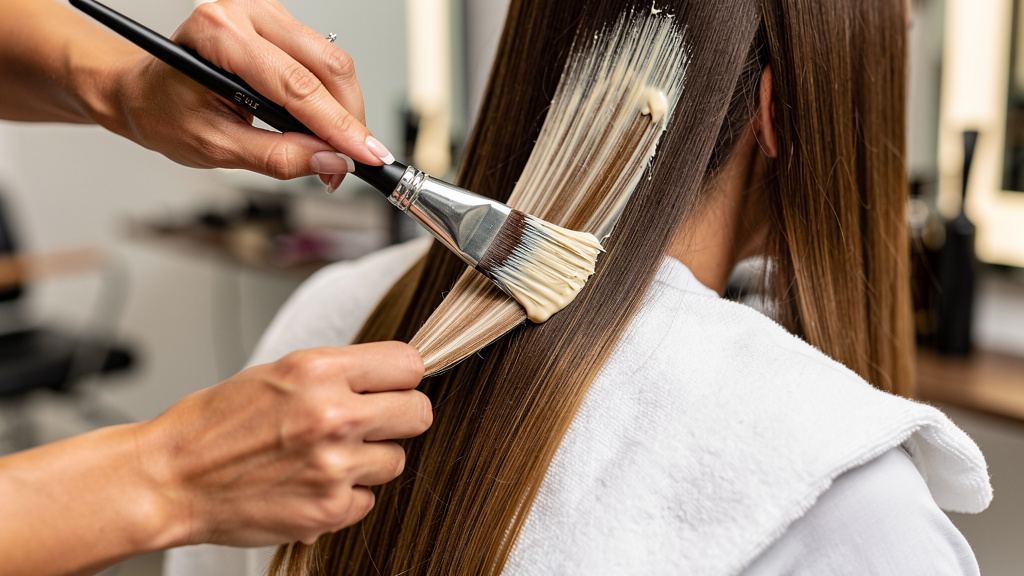
Balayage is a French word that means “to sweep,” and that is exactly what I do. I sweep lightener or color over the surface of the hair by hand, instead of placing it in foils from root to tip. This freehand method lets me soften the start of each highlight, stretch brightness through the mids and ends, and leave natural depth where it flatters the face.
Many people mix up three terms, so I like to separate them during consultation:
- Blonding – any lightening process, from a few highlights to a full bleach-out.
- Traditional Highlights – sections in foils, usually from roots to ends, with very clear lines and a stronger contrast.
- Balayage – the hand-painting method itself, which I can use for blonde, brunette, red, or even grey blending.
The magic of balayage for lived-in color is the grow-out. Because I blur the top of each painted piece, there is no sharp stripe when your hair grows. Roots look intentional instead of harsh, and most clients can stretch visits to three, four, even six months with only gloss appointments in between.
Placement turns balayage into art. I study where the sun would naturally brighten your hair: usually around the face, the crown, and the ends. With my ColourWand tools, I get a very controlled, soft stroke, which keeps blends clean and avoids spots or harsh lines. No two heads of hair are the same, so I plan each pattern around your haircut, parting, and natural color. That is why balayage sits at the center of 2025 lived-in trends—it allows real customization while keeping maintenance realistic.
The 5 Dominant Balayage Color Stories For 2025
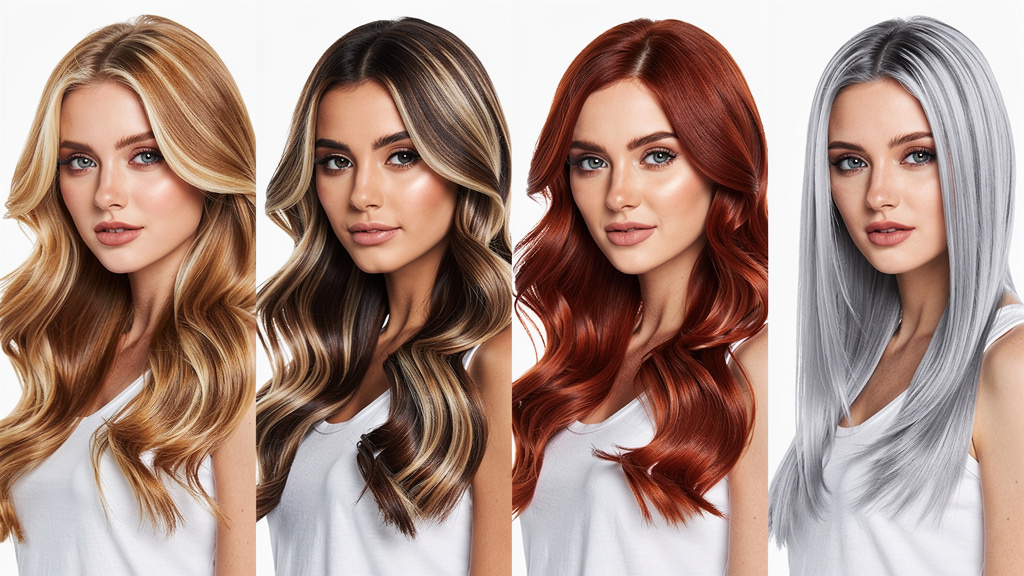
For 2025, I see five main color stories that clients request again and again. Each one can be adjusted for different ages, skin tones, and lifestyles, which makes them perfect for the lived-in approach.
Sunkissed Blonde & Effortless Bronde
Sunkissed blonde is that soft, golden brightness that looks like vacation hair rather than salon hair. I paint warm, golden ribbons through the mids and ends, keep the root softer, and let a bit of your natural depth peek through. The result feels light and bright without sharp lines.
Bronde sits between blonde and brunette, which makes it ideal for anyone who wants dimension without going very light. I like this for women who want a relaxed, beachy feel and for men who want gentle sun-kissed pieces that do not scream “highlight.” Most clients live with this look for three to six months between full balayage visits, with only an occasional gloss. I adjust the amount of warmth based on your skin tone, so the color warms your face instead of washing it out.
Rich Espresso & Mocha Mousse Brunettes
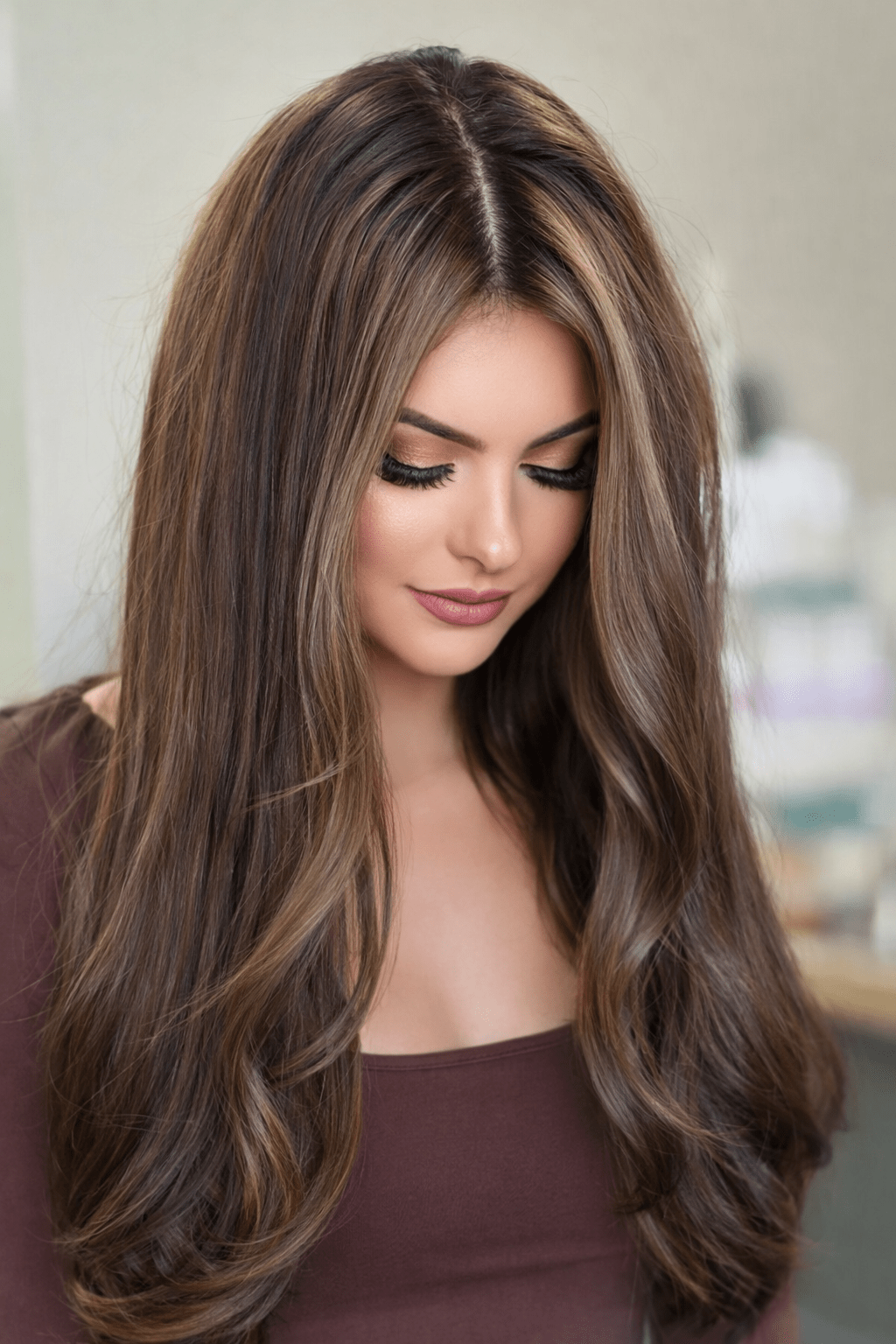
The “expensive brunette” trend stays strong in 2025. Rich espresso looks deep and glossy, never flat. I create this by mixing subtle highs and lows within a darker base instead of one solid brown. Under the salon lights, it reads as a rich sheet of color; in the sun, the dimension shows and the hair looks healthy rather than heavy.
Mocha mousse takes inspiration from soft, creamy browns with a hint of coolness. This shade works very well on clients who do not like red or orange tones, but still want gentle warmth that flatters the skin. I often use gentle lowlights and a shadow root with balayage pieces in the interior of the hair. This adds depth without stripy lines and is excellent for correcting old, dull brunette color that lost shine over time.
Radiant Copper & Cherry Cola Reds
Reds always turn heads, and 2025 keeps that energy. Radiant copper is bright, bold, and saturated. It looks best when the hair is healthy, glossy, and cut with a strong shape. I reserve this for clients who love attention and are ready for regular salon visits, because warm reds can fade faster than browns or blondes.
Cherry cola sits deeper, with a brunette base and dark red tones woven through. It looks rich and dimensional rather than neon. Ginger spice falls in between: soft, warm, and very flattering on many skin tones. With all reds, I talk very clearly about maintenance. I recommend gentle shampoo, cooler water, and more frequent gloss sessions. When you protect the cuticle and refresh tone often, red hair keeps that rich glow instead of dulling out.
“Red hair is the color of patience. It takes commitment, but when it is right, it is unforgettable.”
— Anonymous salon saying
Platinum & Icy Ash Statements
Platinum has a strong place in 2025, but it stays a high-commitment choice. True platinum means most of the natural pigment leaves the hair, so I plan this over stages rather than one aggressive day. I use bond-support products through the process and watch the hair closely. When done right, the result is reflective, chic, and clean.
For clients who want something cooler but softer, I like icy ash or golden silver blends. I might keep the base a slightly deeper, smoky blonde, then paint lighter pieces over it and tone to a cool ash. For golden silvers, I mix icy ends with a touch of warmth closer to the root, which feels more wearable. All of these shades need regular toning, usually every four to six weeks, plus strict at-home care with heat protection and hydrating masks.
Blended Grey Transitions & Silver Sophistication
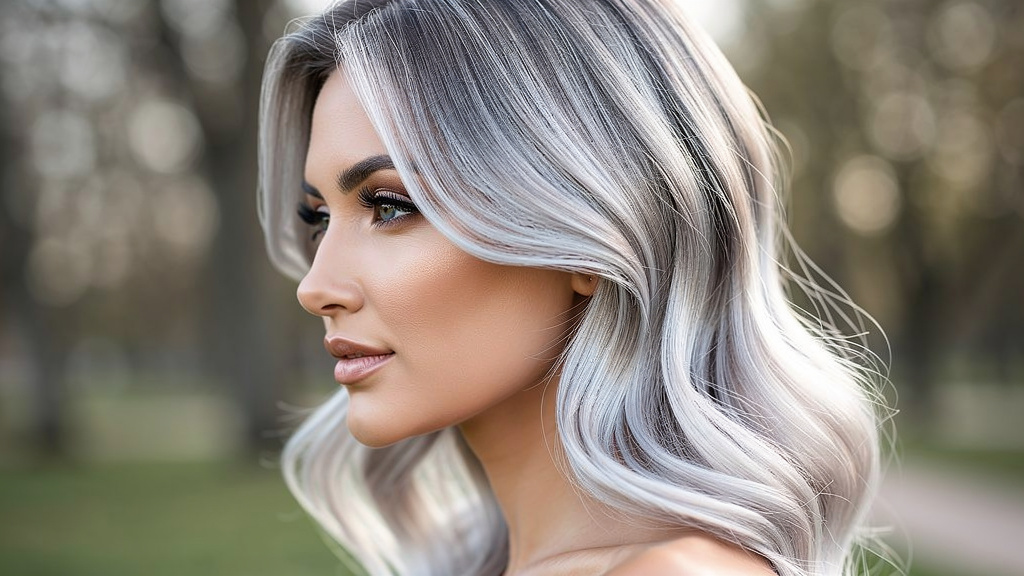
One of my favorite 2025 shifts is the move from hiding grey to styling it. Instead of matching a solid brown every few weeks, many clients now ask me to blend their natural silver into a polished look. I use fine highlights and lowlights to bridge the gap between pigmented hair and white strands.
This creates a soft, multi-tonal effect that looks intentional rather than patchy. On some clients I add a cool silver gloss; on others, I keep a soft, neutral tone that flatters warm skin. The main focus with silver and grey hair is moisture. I talk a lot about deep conditioning, gentle cleansing, and purple toning when needed. My goal is to honor the natural grey while shaping it into a refined, dimensional style.
Strategic Placement Techniques That Create Dimension
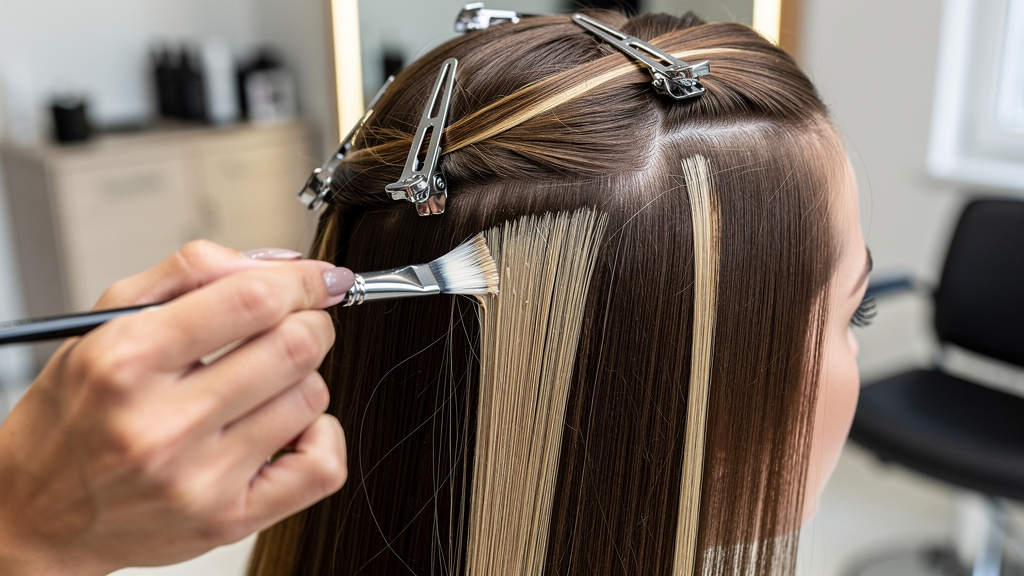
Color choice matters, but placement tells the story. Two clients can wear the same shade card, yet look completely different based on where I put the light and dark pieces. For 2025 lived-in color, I focus less on chasing trends and more on building a pattern that suits your face, haircut, and lifestyle.
Face-framing pieces and “money pieces” around the hairline give instant brightness. I usually place these a touch lighter than the rest of the balayage and blend them softly into the root. This lifts the eye area, brightens the skin, and photographs beautifully without a full head of foils.
Babylights are another favorite tool. These are extremely fine highlights that I weave tightly and paint with my ColourWand to keep the stroke soft. When I mix babylights with balayage, the effect is a gentle, all-over glow rather than chunkier contrast. It works very well on finer hair or on clients who fear stripes.
For softer grow-out, I rely on root smudge, shadow root, or root melt techniques. After rinsing the lightener, I apply a slightly deeper tone at the root and pull it down a little over the lighter pieces. This breaks any hard line and can stretch time between touch-ups from monthly visits to quarterly ones. For some trend-driven clients, I even lean into contrast roots, where the root stays purposely deeper while the mids and ends stay much lighter. That gives a cool edge while still living in the low-maintenance category.
My Process For Achieving Healthy, Dimensional Color
Every great color session starts before I mix a bowl. I begin with a detailed consultation and hair history so I understand both your goals and your hair’s limits. During that talk, I ask about:
- What you like and do not like about your current color.
- How often you heat-style and how you normally wear your hair.
- How frequently you want to visit the salon.
- Any past box color, bleach, keratin, or other chemical services.
These details affect how far I can safely take your hair and how fast we can move toward your inspiration photos.
Once we agree on a goal, I plan the lightening in a selective way. I do not believe every strand needs to go through bleach for you to feel brighter. I decide where the light pieces will give the most impact—around the face, on the surface layers, or through the ends—and I leave supportive depth in between. This keeps the hair stronger and also gives that on-trend dimension that looks expensive.
During the service I use professional bond-support products inside the lightener and as stand-alone treatments when needed. These help protect the inner structure of the hair while I lift. For big changes, I often recommend two or more sessions instead of one harsh day. I know it feels slower, but it saves you from breakage and dry ends that never style well.
The actual balayage application is where my ColourWand tools shine. They allow me to paint with very controlled pressure, so blends stay soft and my placement sits exactly where I want it. After rinsing, I apply a custom gloss or toner. This step perfects the tone, adds shine, and closes the cuticle. My 40 years of experience guide every formula and brush stroke, but no two clients receive the same pattern or mix. Each service is planned specifically around your hair, not a one-size color chart.
Choosing Your Perfect Lived-In Balayage
The best 2025 balayage for you depends on more than a pretty photo. When we meet, I walk you through a few simple checks so we land on a look that fits real life, not just Instagram.
First, we look at your skin tone and natural base. Warm skin often pairs beautifully with honey, caramel, copper, and golden browns. Cooler skin usually looks best with ash, beige, icy blonde, or cooler reds. I do a quick test near your face with swatches or by shifting your hair and showing you the difference in the mirror so you can see it for yourself.
Then we talk about maintenance. If you want to visit twice a year, I suggest softer balayage with root smudge, bronde, or subtle grey blending. If you enjoy salon visits and love a bold look, we can talk about platinum, strong red, or high-contrast face frames that need more frequent toning.
Hair health also matters. If your hair is fragile from past bleach or heat, I may guide you toward gentle dimension and glosses first, and keep bright blondes or intense reds for a later stage. Bringing inspiration photos helps a lot, but I always explain what is realistic in one session and what may need a plan over time. Honest talk about hair history and lifestyle is the base of a result that feels flattering and manageable.
Maintaining Your Balayage Between Salon Visits
Lived-in color does not mean “set it and forget it.” Good maintenance protects your investment and keeps hair shiny between appointments. I always send clients home with a simple, realistic plan they can follow.
Key at-home habits include:
- Use color-safe care. Choose sulfate-free, color-safe shampoo and conditioner to slow down fading.
- Add gentle toning when needed. For blondes and brondes that tend to go warm, a purple or blue toning shampoo once a week can keep brass under control. Use it as a treatment, not every wash, so the hair does not turn dull.
- Prioritize hydration. Lightened hair needs moisture and strength support. Use a deep conditioning mask once a week and a leave-in product after every wash.
- Protect from heat and sun. Before any hot tool, apply a heat protectant spray or cream. Sun and chlorine also fade color, so use UV protection on hair when you spend hours outside, and wet hair and add conditioner before swimming.
In the salon, gloss-only visits every six to eight weeks keep tone fresh without more lightener. A gloss can cool down brass, warm up a faded shade, or add sheer depth and shine. If anything looks off at home, I always encourage clients to call me rather than try a boxed fix. Small, professional adjustments avoid larger color correction later.
Conclusion
Lived-in color for 2025 is not about chasing every trend that hits social media. It is about smart, personalized balayagethat flatters your features, respects your time, and keeps your hair healthy. With the right mix of hand-painted placement, selective lightening, and thoughtful maintenance, color can look polished on day one and still beautiful months later.
Key Takeaways
The strongest results come from a clear consultation, honest hair history, and realistic goals. Balayage sits at the heart of this approach because it allows soft roots, custom brightness, and graceful grow-out. My decades of work behind the chair, paired with my ColourWand tools, give me the control I need to paint dimension without harsh lines or unnecessary damage.
If you are in Fountain Valley or anywhere in Orange County and ready to update your look, I invite you to sit in my chair. We can look at inspiration photos, talk through 2025 balayage trends, and design a plan that fits your style and schedule. When you invest in expert color, you gain hair that looks polished in photos, easy in daily life, and healthy for the long run.
FAQs
How Often Will I Need To Return To The Salon For Balayage Maintenance?
Most balayage clients return every three to six months for a full lightening session, depending on how high the contrast is and how fast their hair grows. Soft root smudge and lived-in placement help stretch that timeline. Between those visits, I often suggest gloss appointments every six to eight weeks to refresh tone and shine. During consultation, I set a custom schedule based on your goals.
Can Balayage Work On Previously Colored Or Damaged Hair?
In many cases, yes. I work on a lot of clients who come in with old box color, banding, or breakage from past bleach. For that type of hair, I often start with color correction and gentle, selective balayage rather than a heavy lightening session. Bond-support treatments and careful processing are key. After I examine your hair in person, I map out a safe plan, even if it takes more than one visit.
What Is The Difference Between A Balayage And Getting A Gloss Treatment?
Balayage is a painting method that uses lightener to lift the natural color and add brightness or depth in specific areas. A gloss is a sheer color service that adds tone and shine without strong lift. Gloss does not replace balayage, but it refines it. Most of my lived-in color services use both: I first lighten where needed with balayage, then finish with a custom gloss, and later invite you back for gloss-only visits to keep everything fresh.
Martinrodriguez.com
colorist martin.com
 Hair COLORIST Martin Rodriguez
Leave a comment