The Science Behind Hair Coloring: What Every Client Should Know
Hair coloring is more than just applying dye—it’s a chemical process that interacts with your hair’s natural structure. Understanding the science behind it can help you make informed decisions, maintain healthy hair, and achieve the best results.
1. How Hair Color Works
Hair color works by penetrating the hair cuticle and changing the natural pigment (melanin). The type of hair color used determines how deep and permanent the change is:
✅ Temporary Color: Coats the outer layer of the hair shaft without penetrating it. Washes out after 1-2 shampoos.
✅ Semi-Permanent Color: Slightly penetrates the hair cuticle, lasts 4-6 weeks, and fades gradually.
✅ Demi- or Deposit P Color: Uses a low-volume developer to deposit color without lightening the hair. Lasts about 6-8 weeks.
✅ Permanent Color: Uses ammonia (or ammonia-free alternatives) and developer to lift natural pigment and deposit new color. This alters the hair permanently and requires root touch-ups as new hair grows.
2. The Role of the Hair Cuticle & Cortex
Hair consists of three layers:
1. Cuticle – The outermost protective layer, made up of overlapping scales. When healthy, it lays flat, keeping hair smooth.
2. Cortex – The middle layer that contains natural pigment (melanin) and determines hair strength and elasticity.
3. Medulla – The innermost part, usually found in coarse hair but absent in fine hair.
➡️ Hair color needs to open the cuticle to deposit while interchanging a pigment inside the cortex.
3. The Role of Melanin in Hair Color
Hair gets its color from melanin, which comes in two forms:
• Eumelanin – Responsible for black and brown shades. More eumelanin = darker hair.
• Pheomelanin – Responsible for red and yellow tones. More pheomelanin = warmer hair colors.
When hair is lightened (bleached), the natural melanin is broken down, revealing underlying warm tones (red, orange, or yellow).
4. The Importance of Developers (Peroxide Levels)
The developer (hydrogen peroxide) activates the hair color or bleach and determines how much the hair will lift:
✔ 10 Volume (3%) – Deposits color only (for toners or darkening).
✔ 20 Volume (6%) – Lifts 1-2 levels.
✔ 30 Volume (9%) – Lifts 2-3 levels.
✔ 40 Volume (12%) –
➡️ Using the wrong developer strength can result in very highly damage results.
5. The pH Scale & How It Affects Hair Color
Hair has a natural pH of 4.5-5.5, which keeps the cuticle closed and healthy. Hair color alters this balance:
✔ Permanent color & bleach – Alkaline (pH 9-10), opens the cuticle for color penetration.
✔ Demi-permanent color – Slightly acidic (pH 6-8), deposits color without full cuticle opening.
✔ Toners & purple shampoos – Acidic (pH 4-5), helps close the cuticle and neutralize tones.
➡️ Using acidic conditioners after coloring helps seal the cuticle for longer-lasting color.
6. Why Hair Lightening (Bleaching) Works
Bleaching uses ammonia (or alternatives) and peroxide to break down natural pigment. The process:
1. Cuticle swells with an alkaline agent (ammonia or ammonia-free alternatives).
2. Peroxide breaks down melanin, revealing warm undertones.
3. Toner is applied to neutralize unwanted yellow or orange tones.
➡️ Over-bleaching can weaken the hair’s protein bonds, leading to breakage. Proper conditioning and bond-building treatments (like Olaplex) can repair damage.
7. Why Toning Is Essential
After bleaching, hair often turns yellow or orange due to residual pheomelanin. Toners & glosses help correct this by:
✔ Purple/Violet toners – Neutralize yellow tones (great for blondes).
✔ Blue toners – Neutralize orange tones (ideal for brunettes).
✔ Green toners – Neutralize red tones (helps with unwanted warmth in dark hair).
➡️ Using purple shampoos between toning sessions helps maintain cool tones.
8. The Science Behind Gray Coverage
Gray or white hair lacks melanin, making it harder for dye to penetrate. To get full coverage:
✔ Use permanent color with 20-volume developer.
✔ Pre-soften resistant grays by applying developer alone before coloring.
✔ Choose neutral or natural tones for best gray blending.
➡️ Gray hair also has a rougher cuticle, so it may require longer processing times or better formulations.
9. How Hair Damage Affects Color Absorption
✔ Healthy hair absorbs color evenly and reflects light beautifully.
✔ Damaged hair (porous, dry, or over-processed) grabs color unevenly, often turning darker or too ashy.
➡️ A strand test is crucial to see how damaged hair will react to color.
10. Why Professional Color Is Better Than Box Dye
✔ Box dyes the is no stylist that has knowledge in the box.
developers (often 20 or 30 vol) to work on all hair types, which can cause unnecessary damage.
✔ Salon color is customized with precise formulas for your hair type, porosity, and desired result.
✔ Box dye no guarantee
➡️ Professional colorists adjust the developer, tone, and formula to maintain hair health and guarantee by the colorist.
Conclusion: Why Science Matters in Hair Coloring
Understanding the chemistry of hair color helps you:
✅ Choose the right hair color for your hair type
✅ Maintain healthy, vibrant hair with the right aftercare
✅ Prevent damage by using professional techniques
Would you like personalized advice on the best color and care ? Schedule your appointment
Text TE 714 366-6964
A deposit is required for all hair coloring appointments no exceptions.

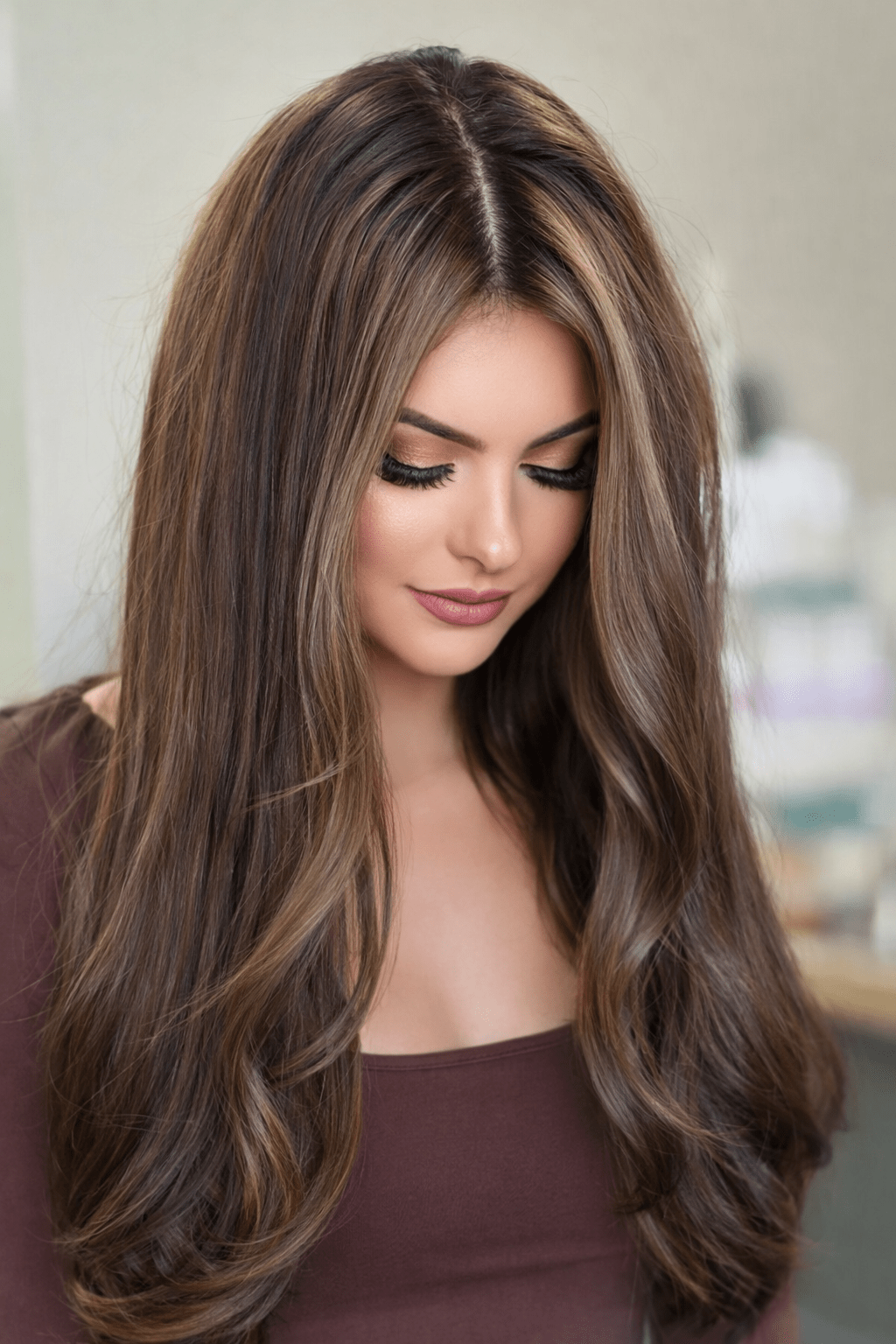
 Hair COLORIST Martin Rodriguez
Leave a comment