
Do you or your family make any special dishes for the holidays?
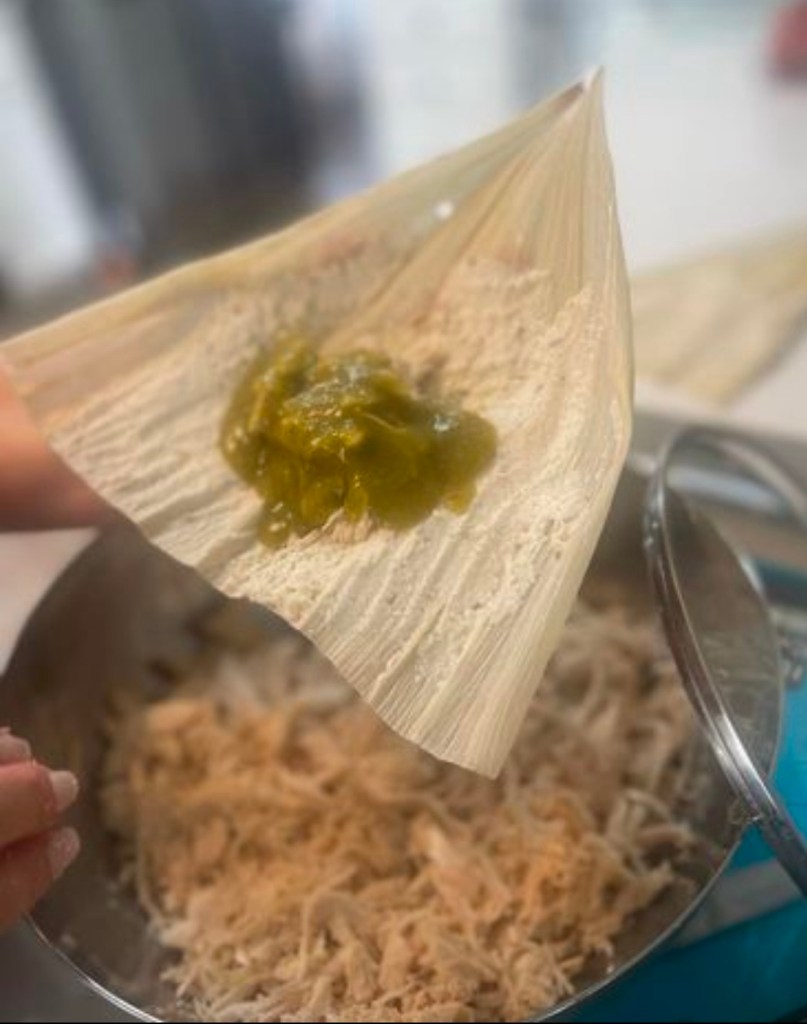
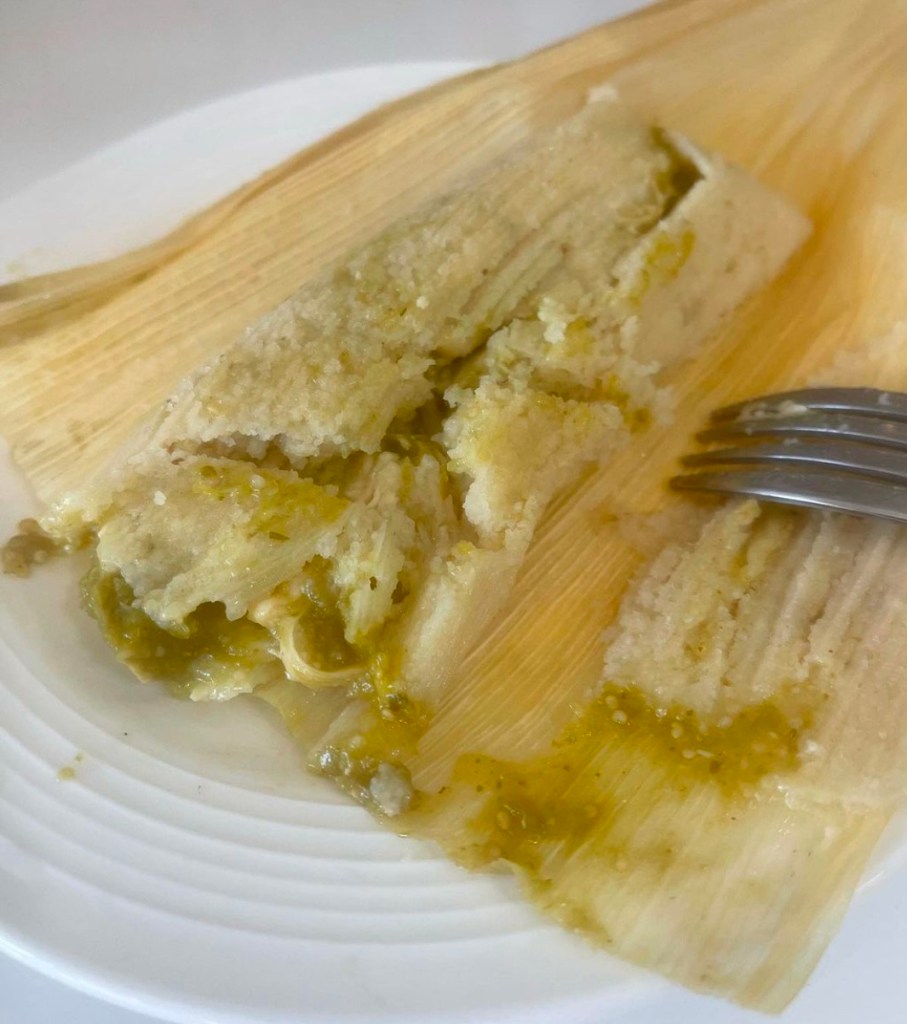
Mexican tamales are a beloved traditional dish that varies significantly across regions, reflecting Mexico’s rich cultural diversity. At their core, tamales are made of masa (corn dough) and are typically steamed in a wrapping, which is discarded before eating. The fillings, wrappings, and preparation methods differ, creating a wide variety of flavors and styles. Here’s an overview of the many types of tamales in Mexico:
1. Classic Tamales
• Corn Husks: Most commonly wrapped in dried corn husks.
• Fillings: Can include pork, chicken, beef, or vegetables, often cooked in red or green chile sauce.
• Texture: The masa is soft and moist, flavored with lard or vegetable shortening.
2. Oaxacan Tamales
• Banana Leaf Wrapping: Larger than traditional tamales and wrapped in banana leaves, which impart a distinct flavor.
• Fillings: Often include mole negro (a rich, dark mole sauce) with chicken or pork.
• Regional Variations: Oaxaca also features tamales with hoja santa (an aromatic herb) and sometimes black beans.
3. Sweet Tamales (Tamales Dulces)
• Colorful Masa: Often tinted pink or other vibrant colors.
• Flavors: Includes sweetened masa with fillings like raisins, fruit jams, nuts, or chocolate.
• Occasions: Popular during holidays and festivals, often served as a dessert.
4. Tamales de Rajas
• Fillings: Made with strips of roasted poblano peppers (rajas), cheese, and sometimes a tomato or green chile sauce.
• Popular Regions: Common in central Mexico but enjoyed nationwide.
5. Tamales de Elote
• Fresh Corn Masa: Made from fresh, sweet corn rather than dried masa.
• Sweet or Savory: Can be sweetened with sugar or served plain as a savory option, sometimes paired with cream or cheese.
• Wrappings: Usually wrapped in fresh corn husks.
6. Tamales de Chaya
• Unique Ingredient: Masa is mixed with chopped chaya leaves, a leafy green similar to spinach.
• Regional Specialty: Found in the Yucatán Peninsula, often paired with regional flavors like cochinita pibil.
7. Zacahuil
• Giant Tamale: Known as the “king of tamales,” this is a massive tamale baked in an oven or pit.
• Size: Can feed dozens of people, often made for large celebrations.
• Regional Specialty: Popular in the Huasteca region (parts of San Luis Potosí, Veracruz, and Tamaulipas).
8. Tamales Canarios
• Light and Airy: Made with a fluffier, cake-like masa.
• Sweet Option: These are sweet tamales, often flavored with vanilla or anise and popular in Michoacán.
9. Tamales Norteños
• Smaller Size: Typically smaller and spicier.
• Fillings: Often feature dried meats like machaca (shredded dried beef).
• Regional Specialty: Common in northern Mexico.
10. Tamales de Mole
• Rich Sauce: Filled with mole poblano or other types of mole sauces.
• Fillings: Often include shredded chicken or pork.
• Popularity: A staple during holidays and special occasions.
11. Tamales de Cazón
• Seafood Specialty: Made with cazón (a type of small shark) and seasoned with spices.
• Regional Specialty: Found in Campeche, reflecting coastal culinary influences.
12. Tamales Uchepos
• Fresh Corn Flavor: Similar to tamales de elote but often softer and sweeter.
• Regional Specialty: Particularly popular in Michoacán.
13. Guatemalan-Influenced Tamales
• Banana Leaf Wrapping: Similar to Oaxacan tamales but often include a thicker masa and more diverse fillings.
• Fiesta Tamales: Some versions include prunes, capers, or olives for a unique flavor profile.
14. Regional Variations
• Chiapas: Tamales with hoja santa, achiote, or even iguana meat in some rural areas.
• Veracruz: Known for tamales veracruzanos with a red masa and fillings wrapped in banana leaves.
• Yucatán: Tamales colados, with a smoother masa, are common here, as well as versions with cochinita pibil.
Occasions for Tamales
• Day of the Dead (Día de Muertos): Often includes tamales as offerings in altars.
• Candelaria (Candlemas Day): A tradition to serve tamales on February 2nd.
• Christmas and New Year: Tamales are a holiday staple, symbolizing family unity and tradition.
Tamales are not just a dish but a cultural icon in Mexico, with recipes passed down through generations. Whether savory or sweet, wrapped in corn husks or banana leaves, they tell the story of Mexico’s culinary diversity and deep-rooted traditions.


 Hair COLORIST Martin Rodriguez
Leave a comment