Lighting significantly impacts how hair colors appear, ranging from dark black to the lightest blonde or platinum. The way light interacts with hair depends on factors such as the type of light source, the hair’s natural and artificial pigments, and the hair’s texture and shine. Here’s a breakdown:
1. Dark Hair (Black and Dark Brown)
• Natural Light: Dark hair absorbs more light than it reflects, making it appear rich and intense in direct sunlight. Sunlight may also highlight subtle warm or cool undertones, like mahogany, blue-black, or dark ash.
• Artificial Light: Under incandescent light, dark hair can appear warmer due to the yellow tones of the light. Under cooler fluorescent or LED lighting, it may look more ashy or flat.
• High Shine: Glossy dark hair reflects light more dramatically, creating depth and making the color appear more vibrant.
2. Medium to Light Brown Hair
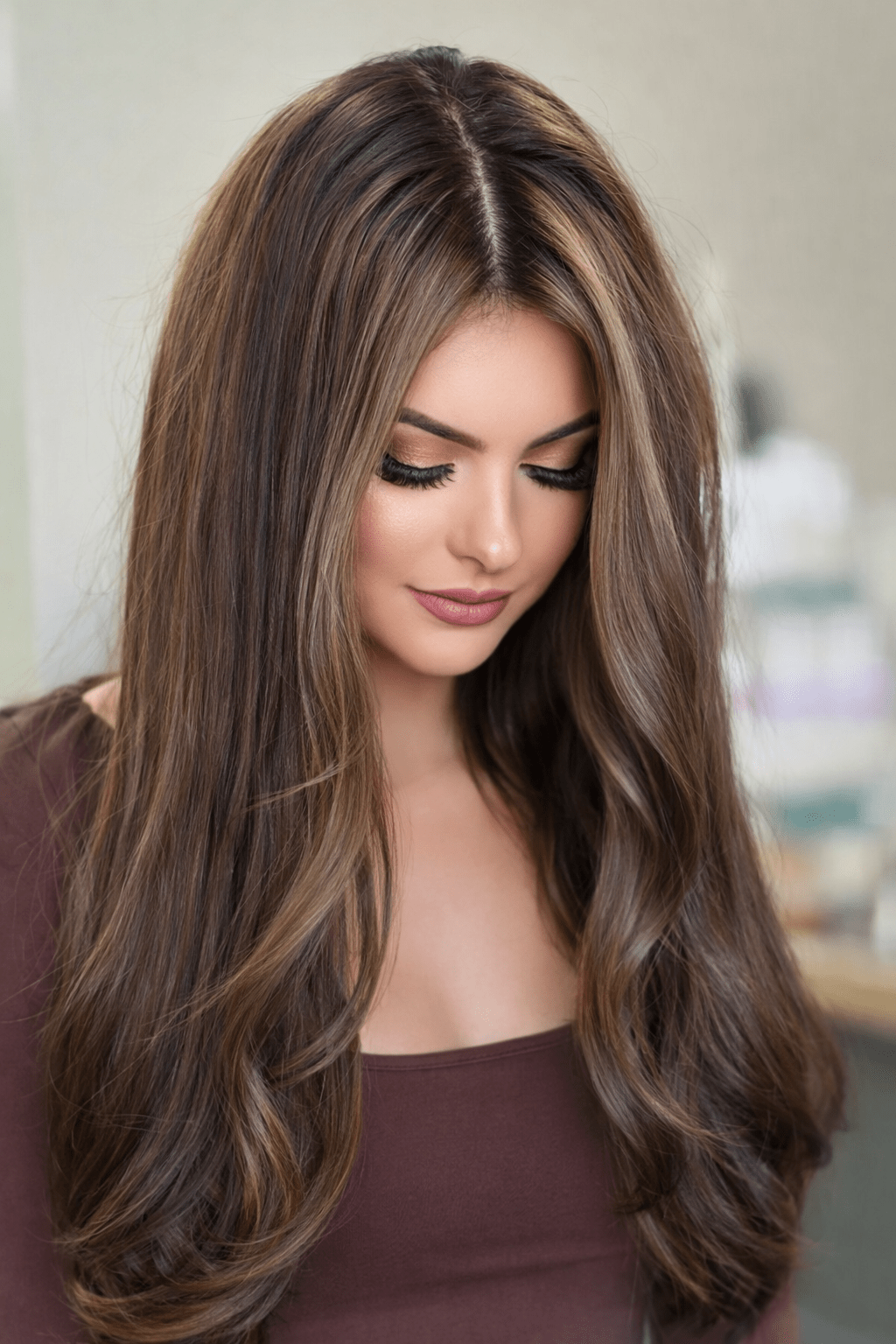
• Natural Light: Medium brown hair shows more visible dimension. Sunlight can reveal highlights and undertones, such as caramel, honey, or ash, creating a dynamic look.
• Artificial Light: In warm lighting, medium brown shades can lean toward golden or copper tones. Cooler lighting enhances ash or neutral undertones.
• Texture Impact: Smoother hair reflects more light, enhancing warm or cool hues, while textured hair scatters light, muting color vibrancy.
3. Red and Auburn Hair
• Natural Light: Red pigments are highly reflective and intensify under sunlight. Hair with red tones often glows with fiery copper or deep auburn hues outdoors.
• Artificial Light: Incandescent lighting enhances red tones, making them appear warmer and richer. Cool lighting can sometimes dull red tones, giving them a more muted appearance.
• Color Fade: Red tones fade faster than other pigments, making lighting more critical in maintaining vibrancy.
4. Blonde Hair (Dark Blonde to Platinum)
• Natural Light: Blonde hair reflects the most light due to its lighter pigments. Sunlight enhances its brightness and reveals multi-tonal highlights or lowlights, creating a shimmering effect.
• Artificial Light: Warm lighting can give blonde hair a golden glow, while cool lighting can bring out icy or platinum tones.
• Brassy Concerns: Overexposure to warm lighting or lack of toning may make blonde hair appear brassy or yellow.
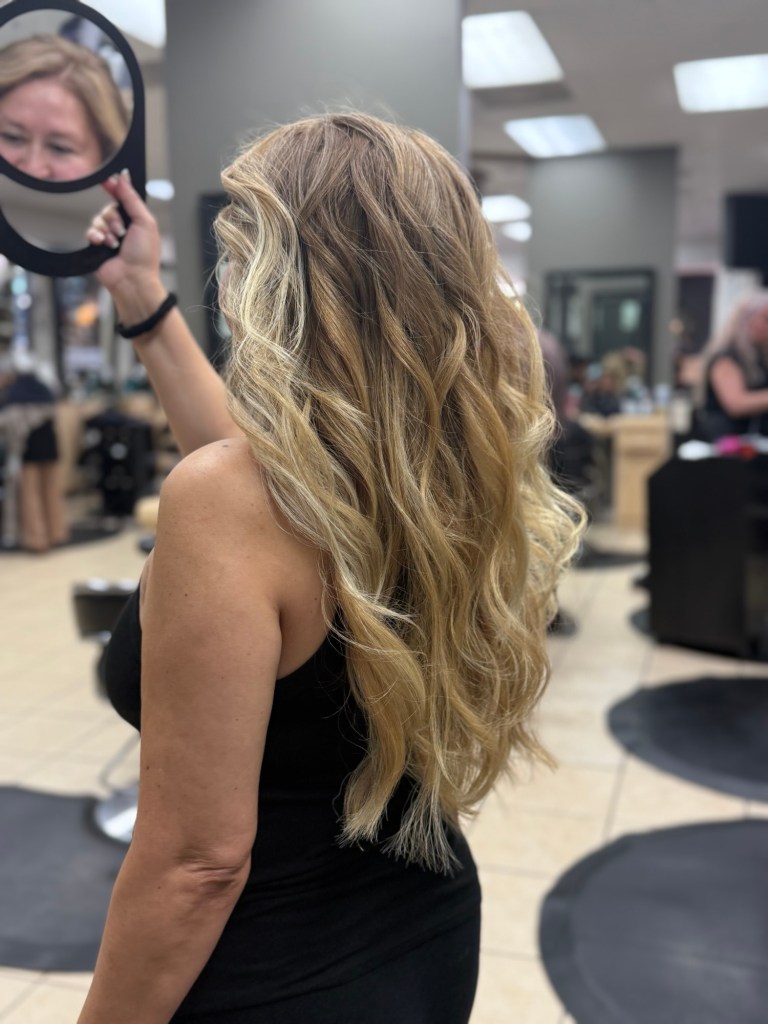
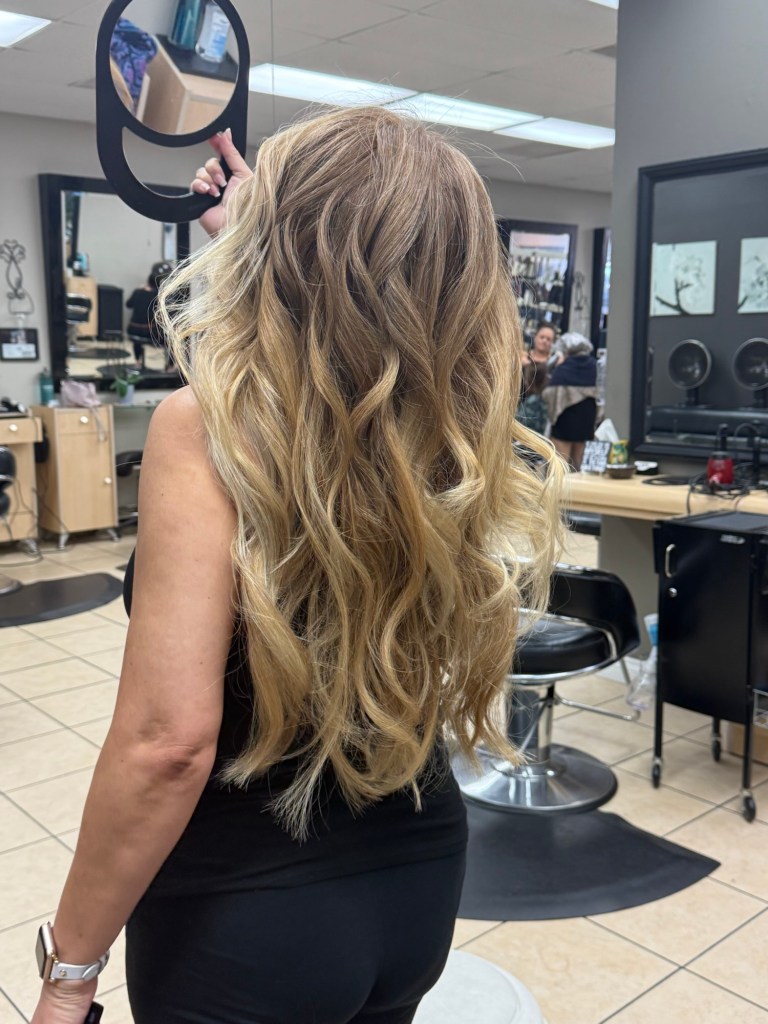
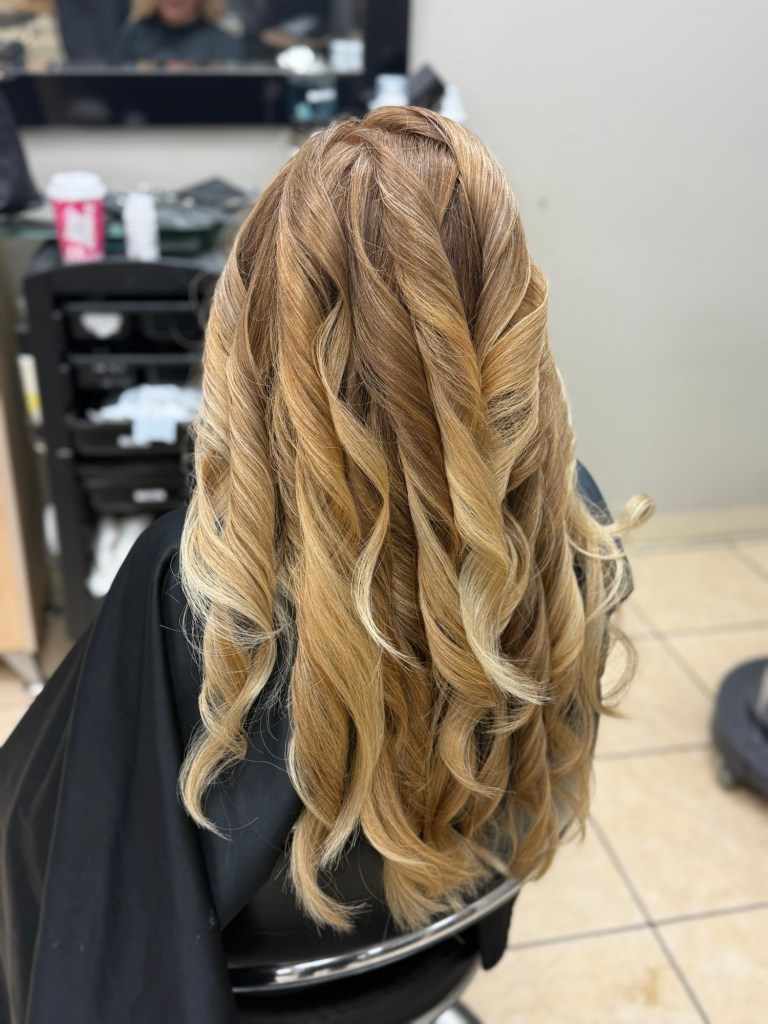
5. Highlights and Multi-Tonal Hair
• Natural Light: Highlights stand out more in natural light, creating depth and dimension. The interplay of light and shadow accentuates the color placement.
• Artificial Light: Cool-toned highlights (e.g., ash blonde) may appear grayish under certain lighting, while warm-toned highlights can appear overly golden or orange if lighting is too yellow.
6. Textured Hair and Light
Hair texture also affects how light interacts with color:
• Straight Hair: Reflects light more evenly, making colors appear glossier and more vibrant.
• Curly or Wavy Hair: Scatters light, which can soften color vibrancy and make hair appear more dimensional.
Tips for Managing Lighting Effects
• Cool-Toned Hair: Use neutral or cool lighting to prevent warm undertones from showing.
• Warm-Toned Hair: Enhance depth with lighting that has a slight yellow or amber tint.
• Balayage or Highlights: Place highlights strategically to catch natural light, emphasizing dimension.
By understanding how various light sources affect hair color, professionals can better advise clients on color choices and maintenance for their desired look.

 Hair COLORIST Martin Rodriguez
Leave a comment