The key difference between a hair colorist specialist and a non-specialist lies in their level of expertise, experience, and focus on hair coloring techniques and science. Here’s a detailed comparison:
1. Knowledge & Training
• Specialist: Has advanced training in hair color chemistry, color theory, and application techniques. They understand how to create custom formulations, work with complex situations like color correction, and maintain hair integrity.
• Non-Specialist: Has basic knowledge of hair coloring, often learned during general cosmetology training. They may follow manufacturer instructions but lack deeper expertise.
2. Focus on Coloring
• Specialist: Focuses primarily or exclusively on hair coloring services, mastering advanced techniques like balayage, ombré, multidimensional color, and gray blending.
• Non-Specialist: Offers a variety of services (cutting, styling, basic coloring) without specializing in any one area.
3. Color Correction Skills
• Specialist: Excels in corrective coloring, addressing complex issues such as uneven tones, over-processed hair, or unwanted shades. They have the knowledge to troubleshoot and resolve challenging cases.
• Non-Specialist: May lack the skills or confidence to handle corrective work, often referring clients to a specialist for such services.
4. Customization
• Specialist: Creates personalized formulas and placement techniques based on the client’s skin tone, hair texture, and lifestyle. They consider underlying pigments and past color history.
• Non-Specialist: Typically relies on standard techniques and off-the-shelf formulas, which may not be tailored to the client.
5. Product Knowledge
• Specialist: Has in-depth knowledge of professional hair color products, developers, toners, and treatments, ensuring optimal results and minimal damage.
• Non-Specialist: May use basic products without fully understanding how to adjust formulations for unique needs.
6. Results
• Specialist: Delivers high-quality, predictable results with long-lasting, vibrant color while maintaining the hair’s health.
• Non-Specialist: Results can be more generic or inconsistent, with a higher chance of over-processing or undesirable tones.
7. Client Experience
• Specialist: Provides a luxury service, offering professional consultations, advanced techniques, and expert aftercare advice.
• Non-Specialist: Often provides a quicker, more basic service with less emphasis on in-depth consultations or personalization.
In short, a hair colorist specialist brings a higher level of expertise, creativity, and precision to hair coloring, making them the go-to professional for anyone seeking advanced or tailored services.

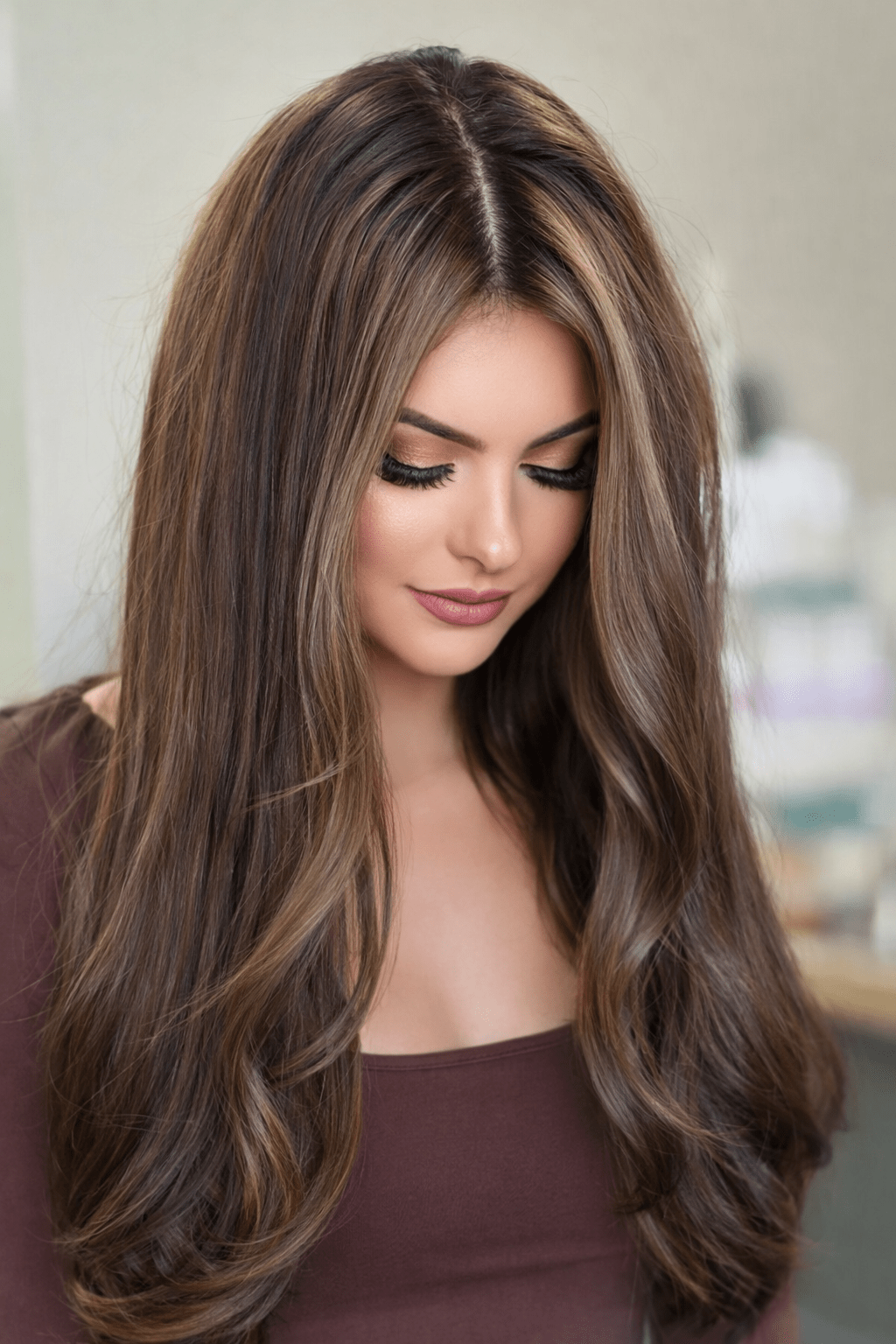
 Hair COLORIST Martin Rodriguez
Leave a comment