Hair color correction is a complex process that requires a deep understanding of hair color chemistry, hair structure, and the chemicals involved. Here’s a detailed breakdown of the process with an emphasis on the chemical and technical aspects:
### 1Analysis**
– **Hair History:** Begin by evaluating the client’s hair history, including previous color treatments, chemical services, and any damage or sensitivities.
– **Current Hair Condition:** Assess the hair’s porosity, elasticity, and integrity. Damaged or porous hair may not tolerate strong chemicals, and adjustments may be necessary.
– **Desired Outcome:** Discuss the client’s desired result, whether it’s to lighten, darken, neutralize unwanted tones, or remove color buildup.
### 2. **Understanding the Hair’s Natural and Artificial Pigments**
– **Natural Pigment (Melanin):** Hair’s natural color is determined by the amount of melanin in the cortex. Eumelanin gives hair black or brown tones, while pheomelanin provides red or yellow tones.
– **Artificial Pigment:** Previous dye applications leave synthetic pigments in the hair that interact differently from natural pigments. Knowing the underlying pigments is essential for correcting and neutralizing unwanted tones.
### 3. **Determining the Undertone**
– **Understanding the Underlying Pigment:** When lightening or darkening hair, underlying pigments will be exposed. For example:
– Dark hair (level 1–3) will expose red undertones.
– Medium hair (level 4–6) will expose orange undertones.
– Light hair (level 7–10) will expose yellow undertones.
– These underlying pigments must be neutralized or enhanced, depending on the desired color.
### 4. **Hair Color Chemistry Basics**
– **Ammonia or Ammonia-Free Alkaline Agents:** Ammonia or alternatives raise the pH of the hair and open the cuticle, allowing the color molecules to penetrate the cortex.
– **Oxidation (Developer):** The developer (typically hydrogen peroxide) is used to activate the color. It opens the cuticle and oxidizes the hair’s natural melanin and the artificial color pigments.
– **10 Volume:** For deposit-only color or subtle tone adjustment.
– **20 Volume:** To lift natural hair by one to two levels.
– **30 Volume:** To lift natural hair by three to four levels.
– **40 Volume:** For maximum lift, usually for lightening dark hair to a very light blonde.
– **Lighteners (Bleach):** Contain persulfates and a higher concentration of hydrogen peroxide to break down melanin, lifting the hair to a lighter level. The amount of melanin removed depends on the concentration and processing time.
### 5. **The Correction Process**
– **Step 1: Color Removal or Lightening**
– If the hair is too dark or has unwanted buildup, a **color remover** (like sulfur-based or oxidative color removers) may be used to shrink and remove the artificial pigment.
– **Lightening (Bleaching):** If a significant lift is required, bleach is applied to remove both natural and artificial pigments. Bleach must be carefully monitored to avoid over-processing.
– **Step 2: Filling the Hair (if needed)**
– If the hair has been lightened too much or lost its warmth, it may require a **filler** (pre-pigmentation) before applying the final color. For example, if you are darkening the hair significantly, you may need to add back the warm tones (red, orange, or yellow) that are naturally present in darker levels.
– **Step 3: Neutralizing Unwanted Tones**
– Using the **color wheel**, unwanted tones can be neutralized. For example:
– Red tones can be neutralized with green.
– Orange tones can be neutralized with blue.
– Yellow tones can be neutralized with violet.
– This is typically done using toners, demi-permanent, or semi-permanent colors with the appropriate corrective shades.
### 6. **Choosing the Right Products**
– **Permanent Color:** For significant changes or gray coverage. Contains both ammonia (or a substitute) and a developer.
– **Demi-Permanent Color:** Ideal for toning, glazing, or depositing color without the ammonia component, which helps preserve the integrity of the hair.
– **Toners:** Used after lightening to refine the tone, adding warmth or coolness, or neutralizing unwanted brassiness.
### 7. **Processing and Timing**
– Careful attention is needed to prevent over-processing, which can lead to damage. Processing times will vary depending on the strength of the developer, the product used, and the desired result. Always follow manufacturer guidelines for timing.
### 8. **Post-Color Treatment**
– **Conditioning and Reconstructing Treatments:** After a color correction, the hair’s porosity and overall health need to be restored. Use bond-building treatments (e.g., Olaplex or other similar products) that rebuild the disulfide bonds in the hair.
– **pH-Balancing:** After the color process, it’s important to use a pH-balancing treatment to close the cuticle and lock in the color. Acid-based conditioners and treatments help return the hair to a healthy pH level.
### 9. **Aftercare and Maintenance**
– **Color-Safe Shampoos and Conditioners:** Recommend sulfate-free products to extend the life of the color.
– **Toners:** The client may need to return for a toner application every few weeks, especially if cool tones were achieved, as these tend to fade faster.
– **Heat Protection:** Advise the client to limit heat styling or use heat protection to preserve the hair’s integrity and color vibrancy.
### Key Considerations in Hair Color Chemistry:
– **Porosity and pH:** Porous hair absorbs color more quickly but also fades faster. pH levels play a crucial role in opening and closing the hair cuticle.
– **Oxidative Reactions:** Permanent hair color relies on oxidation, which breaks down natural melanin and develops synthetic color molecules inside the cortex.
– **Protein and Moisture Balance:** During color correction, keeping the hair’s protein and moisture balance intact is vital to prevent brittleness and breakage.
This scientific approach ensures precision and care throughout the color correction process, allowing you to achieve the desired results while maintaining the health and structure of the hair.

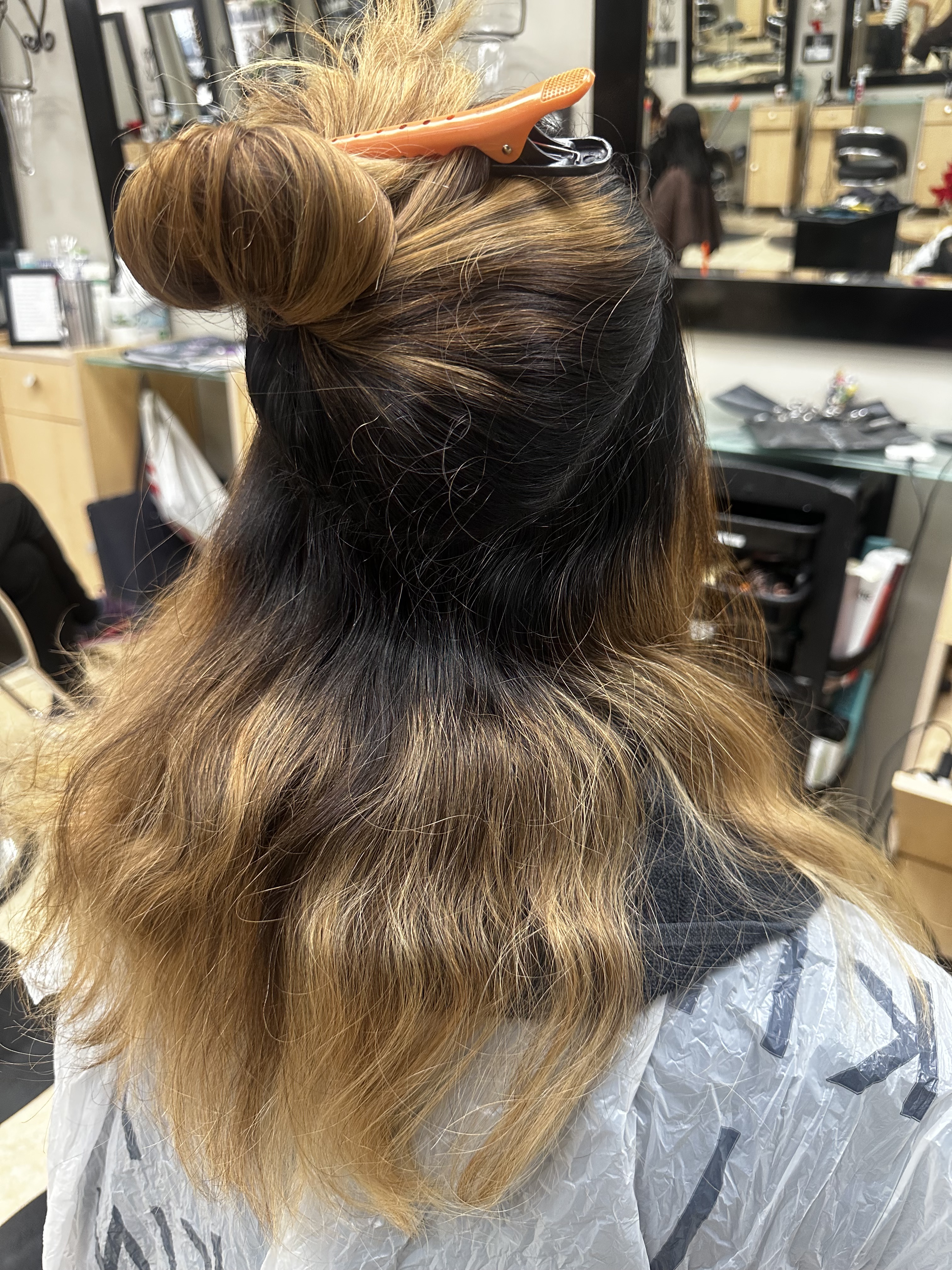

Orange county ca hair color specialist Martin Rodriguez @ Ooh la la salon spa located in Fountain valley ca with over 40 years of experience using Chromastics pure tone hair color . to schedule your appointment please visit https://martinrodriguez.com
A DEPOSIT IS REQUIERED FOR ALL CHEMICHAL SERVICES
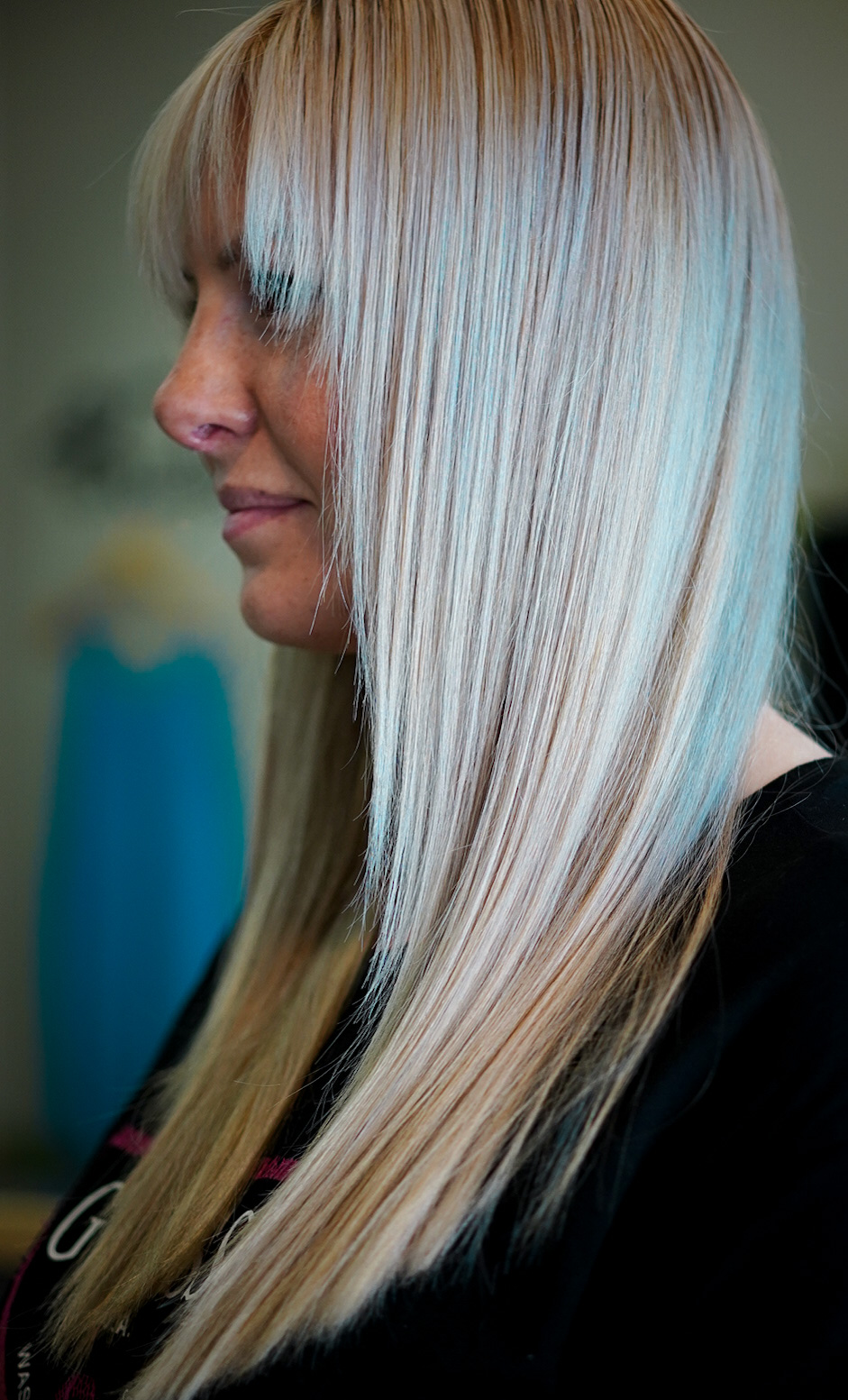
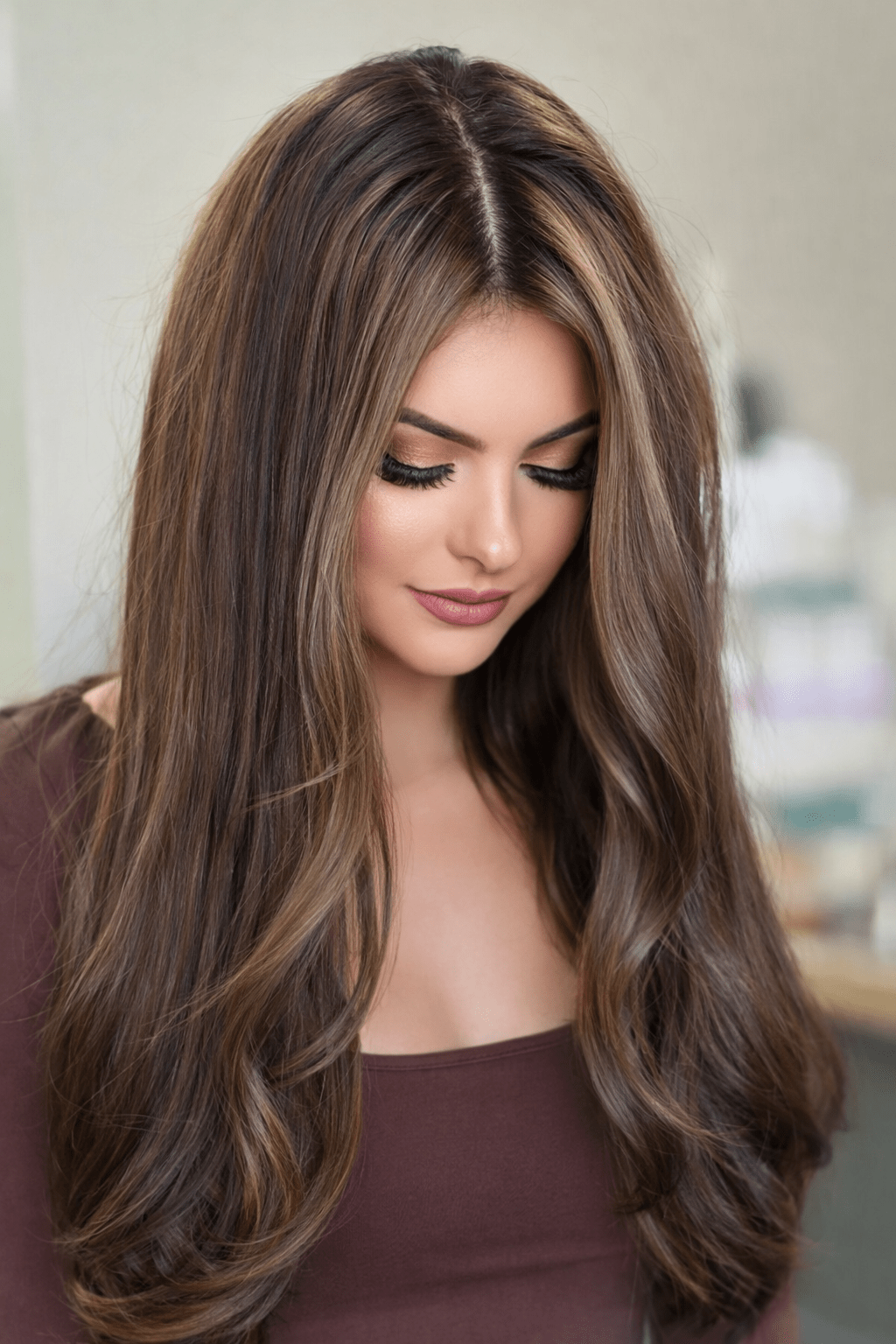
 Hair COLORIST Martin Rodriguez
Leave a comment