Hair color is a chemical
GENERAL INFORMATION
Temporary dye systems deposit on the outside of the hair unless the hair has been bleached. They are designed to have no lasting effect on the hair and should fade rapidly. If the hair has been bleached, they are very difficult to remove.
Semi-permanent dye systems are preformed dyes that do not require peroxide to develop. They do penetrate the cortex because of the alkalinity of the product and they have been developed to gradually “wash away”, however, due to either damage to the hair or repeated use they tend to last much longer that originally designed and they often fade off tone.
Demi-permanent dye systems are permanent dyes or a combination of permanent dyes with semi-permanent dyes that require peroxide to develop. They have been developed to color hair when lightening of the natural color is not wanted. Because they use ethanolamine (MEA) as the alkalizer, they do lighten the natural color, and when they fade, the hair is often left brassy or with an undesirable tone. When used as a toner for highlighted hair or as a color refresher they tend to fade rapidly and off-tone.
Deposit-only dye systems are permanent dyes that do require peroxide to develop. They are not effective at lightening the natural color because they use aminomethylpropanol (AMP) as the alkalizer. They tend to last longer than demi-permanent dyes and when they fade, tend to fade on-tone. They are very good for toning highlights, refreshing color and corrective.
Permanent dye systems are generally 100% oxidative dyes that do require peroxide, and both lighten the hair and deposit color at the same time. They use either ammonia or ethanolamine as the alkalizer. With ammonia, the peroxide lightens more effectively.
HYDROGEN PEROXIDE
In the hair industry hydrogen peroxide is known by many different names, such as energizer, generator, infuser, oxidizer, developer and more, however they are all hydrogen peroxide.
The chemical formula for hydrogen peroxide is H=02.
It has two purposes in the hair coloring process.
• It is responsible for lightening the natural hair color (melanin).
• It is responsible for depositing the new hair color.
It also has a negative effect.
It is responsible for much of the damage created during the coloring process.
The higher the volume of peroxide,
• the more lightening you get from a formula,
• the faster the dye develops and
• the greater the amount of damage.
•
• Damage happens not only to the external cuticle layer but also to the interior cortex of the hair. is “neutralized” the cuticle de-swells, however, the cortex can remain up to 20% swollen. This Waran happen tet only to the latere produce, both the cuticle and con 2 5% solen thc hair swollen cortex is often referred to as “body”.
• POWDER LIGHTENER
• Generally, powder lighteners use persulfates to augment the lightening ability of the peroxide. It is still the peroxide that lighteners hair when using powder lighteners. The three persulfates most commonly used are ammonium persulfate, potassium persulfate and sodium persulfate. Any one can be eliminated from a powder lightener but then the remaining persulfates are generally increased to give a similar lightening.
• Powder lightener mixed with water will dissolve permanent dyes but has little to no effect on natural hair color.
• Generally, powder lightener is mixed with 20-volume peroxide, however, increasing the peroxide strength increase both the lightening of the hair and the damage to the hair.
• ALKALIZERS USED IN HAIR COLOR
• There are three common alkalizers we use in the professional hair coloring market, Ammonia, Ethanolamine and Aminomethylpropanol. All three are designed to raise the pH of hair coloring products.
• However, the coloring result is different when each is included in a formula.
• Ammonia is the most used alkalizer in permanent hair coloring products. It has a molar weight of 17.031g. In hair coloring it appears as NH4OH with a molar weight of 35.046g/mol. It has two functions in the coloring process.
• It creates the pH of the product, which causes the hair to swell and allows the dyes to penetrate.
• It catalyzes the peroxide to make it a more effective lightening agent.
• Ammonia does not lighten the hair. Lightening is a function of hydrogen peroxide.
• Ammonia is completely eliminated from the hair once the hair is washed.
• Ethanolamine Also known as MEA (C2H7NO) is used in both permanent non-ammonia hair color and in demi-permanent hair color. It has a molar weight of 61.08g and it is a derivative of ammonia. It is created by the reaction of ammonia and ethylene oxide. It is a viscous liquid and smells like ammonia.
• It acts similarly to ammonia in permanent hair color but requires a higher concentration and is not as effective as ammonia for catalyzing peroxide. This means you see less lightening when ethanolamine is substituted for ammonia.
•
• Ethanolamine (MEA) is difficult to remove from the hair and often there is a residue left in the hair that requires multiple washings to remove. When ethanolamine is used in a demi-permanent product it often lightens the natural hair color.
• Aminomethylpropanol (AMP C4H11NO) is used in deposit-only hair coloring products. It has a molar weight of 89.13624g. and it is not a derivative of ammonia. Products that use Aminomethylpropanol generally show no perceivable lightening of the hair. It is very effective as the alkalizer in toners, demi-permanent colors and deposit-only products. When used as the alkalizer, it requires a higher concentration of dye at each level. It washes from the hair with no residue.
• Alkalizers are necessary to produce an alkaline pH which swells the hair and allows dye penetration. Ammonium Hydroxide and Ethanolamine work with the peroxide to produce lightening. Aminomethylpropanol is not effective for lightening.
• The alkalizer most popular and most effective per concentration is ammonium hydroxide.
• It is generally supplied in a 28% solution which is diluted to a much lower amount when added to a hair coloring mixture. Hair coloring mixtures generally have an ammonia content of approximately 1% to 4%.
• BUFFERED AND FREE AMMONIA
• Buffered ammonia maintains a constant pH. Free ammonia facilitates effective lightening by the hydrogen peroxide. Ammonia can be buffered for use in demi-permanent and deposit-only colors and is very effective. Unfortunately, because it had a strong odor, and the client associates smell with damage, it is not generally used.
• Ethanolamine (MEA) is often used as a substitute for ammonia in lightening colors, however, it is less effective and requires higher concentrations of lightening. Hair color with ammonia, mixed with 20-volume peroxide will generally lighten hair approximately 2 levels. When ethanolamine (MEA) is substituted for the ammonia, the same formula will generally lighten a maximum of 1+1/2 levels.
• If you lower the amount of ammonia, you can still achieve full deposit of color, but with less lightening, even though you are using 20-volume developer.
• Permanent (ammonia) + Deposit-Only (AlI)
• Permanent = 1%
• 45g P + 15g DO = 75%
• 30g P + 30g DO = 5%
• 15g P + 45g DO = 25%
• Deposit-Only = 0%
• This process will not work with demi-permanent color that use ethanolamine (MEA).

Hair color can be classified into natural and artificial categories. Here’s a general overview of both:
### Natural Hair Colors
Natural hair color is determined by genetics and involves varying levels of the pigments eumelanin and pheomelanin:
1. **Black**: High levels of eumelanin.
2. **Brown**: Moderate levels of eumelanin.
3. **Blonde**: Low levels of eumelanin.
4. **Red**: High levels of pheomelanin and low levels of eumelanin.
5. **Gray/White**: Loss of pigment production as part of the aging process.
### Artificial Hair Colors
Artificial hair colors are created through various chemical processes and can be further divided into several categories:
1. **Temporary Hair Color**
– **Lasts for 1-2 washes.**
– Coats the hair shaft without penetrating the cortex.
– Commonly available in forms like sprays, gels, and rinses.
2. **Semi-Permanent Hair Color**
– **Lasts for 4-6 washes.**
– Partially penetrates the hair shaft.
– Fades gradually with each shampoo.
– Does not contain ammonia or peroxide.
3. **Demi-Permanent Hair Color**
– **Lasts for about 20-28 washes.**
– Penetrates deeper into the hair shaft.
– Contains a small amount of peroxide to slightly open the hair cuticle.
– Used for enhancing natural color, covering grays, or darkening hair.
4. **Permanent Hair Color**
– **Lasts until the hair grows out or is recolored.**
– Fully penetrates the hair shaft and alters the hair’s natural pigment.
– Requires a developer, typically containing ammonia and peroxide.
– Allows for significant color changes, including lightening and darkening.
### Hair Lightening (Bleaching)
– Involves the use of peroxide and sometimes ammonia to strip the hair of its natural pigment.
– Can be used as a standalone process or before applying a new color.
### Special Effects Colors
– Includes vibrant and unusual shades like blue, green, pink, and purple.
– Often semi-permanent or temporary.
– Used for bold, fashion-forward looks.
### Considerations for Artificial Hair Coloring
– **Hair Health**: Chemical processes can cause damage, so conditioning and treatments are often necessary.
– **Allergies and Sensitivities**: Some individuals may react to certain chemicals in hair dyes.
– **Maintenance**: Colored hair, especially lighter shades and vibrant colors, may require regular touch-ups and special care products to maintain vibrancy and health.
Different brands and formulations offer a wide range of options for achieving desired hair colors and effects.

Hair color chemistry involves a variety of chemicals and processes tailored to achieve different results, from temporary changes to permanent transformations. Here’s an in-depth look at the chemistry behind hair coloring:
### Basic Components of Hair Dye
1. **Colorants (Dye Precursors)**
– **Oxidative Dyes**: Used in permanent hair color. Examples include para-phenylenediamine (PPD), para-toluenediamine (PTD), and resorcinol. These dyes are colorless until they react with a developer (usually hydrogen peroxide).
– **Direct Dyes**: Used in semi-permanent and temporary colors. These are pre-formed dyes that directly deposit onto the hair shaft without requiring a chemical reaction. Examples include nitro dyes, azo dyes, and anthraquinone dyes.
2. **Developers (Oxidizing Agents)**
– **Hydrogen Peroxide**: Commonly used developer that lightens the hair by breaking down the natural melanin and activates the oxidative dyes.
– **Persulfates**: Often used in bleaching powders to enhance the lightening effect.
3. **Alkalizing Agents**
– **Ammonia**: Most common alkalizing agent in permanent dyes. It opens the hair cuticle, allowing the color to penetrate the cortex.
– **Monoethanolamine (MEA)**: A less volatile alternative to ammonia, used in some demi-permanent and permanent colors.
4. **Conditioners and Polymers**
– **Silicones**: Provide shine and protect the hair during the coloring process.
– **Conditioning Agents**: Quaternary ammonium compounds (quats) and proteins that help to protect and repair the hair.
### Chemistry of Hair Dye Types
#### Temporary Hair Colors
– **Mechanism**: Large dye molecules adhere to the outer layer of the hair shaft (cuticle) without penetrating.
– **Common Ingredients**: Direct dyes, conditioners, and film-forming agents.
– **Chemicals Used**: Acid dyes, basic dyes, and certain food-grade colorants.
#### Semi-Permanent Hair Colors
– **Mechanism**: Smaller dye molecules penetrate the cuticle and lodge in the cortex, gradually washing out.
– **Common Ingredients**: Direct dyes, small amounts of conditioning agents.
– **Chemicals Used**: Nitrophenylenediamines, nitroaminophenols, and other direct dyes.
#### Demi-Permanent Hair Colors
– **Mechanism**: Combination of direct dyes and oxidative dyes with a mild developer. Partially penetrates the hair shaft.
– **Common Ingredients**: Low concentration of hydrogen peroxide, alkalizing agents like MEA.
– **Chemicals Used**: Direct dyes, oxidative dyes like PPD and PTD.
#### Permanent Hair Colors
– **Mechanism**: Oxidative dyes react with a developer to form larger, colored molecules that are trapped inside the hair cortex.
– **Common Ingredients**: Hydrogen peroxide, ammonia or MEA, oxidative dye precursors, and couplers.
– **Chemicals Used**: PPD, PTD, resorcinol, hydrogen peroxide, ammonia.
#### Bleaching (Lightening)
– **Mechanism**: Oxidizing agents break down the natural melanin in the hair.
– **Common Ingredients**: Hydrogen peroxide, persulfates, and sometimes ammonia.
– **Chemicals Used**: Ammonium persulfate, potassium persulfate, sodium persulfate, hydrogen peroxide.
### Additional Chemicals and Additives
– **Stabilizers**: Prevent the oxidation of dye precursors before application (e.g., sodium sulfite).
– **pH Adjusters**: Balance the pH of the dye formulation (e.g., citric acid, sodium citrate).
– **Fragrances**: Mask the chemical odors.
– **Solvents**: Aid in dissolving the dye precursors and other ingredients (e.g., ethanol, isopropanol).
### Safety and Considerations
– **Allergies**: Some chemicals, especially PPD and resorcinol, can cause allergic reactions.
– **Hair Damage**: Alkalizing agents and oxidizers can weaken the hair structure, necessitating conditioning treatments.
– **Regulations**: Hair dyes are regulated by agencies like the FDA (U.S.) and EU Commission to ensure safety and efficacy.
Understanding the chemistry behind hair dyes helps in choosing the right product for specific needs and minimizing potential risks.
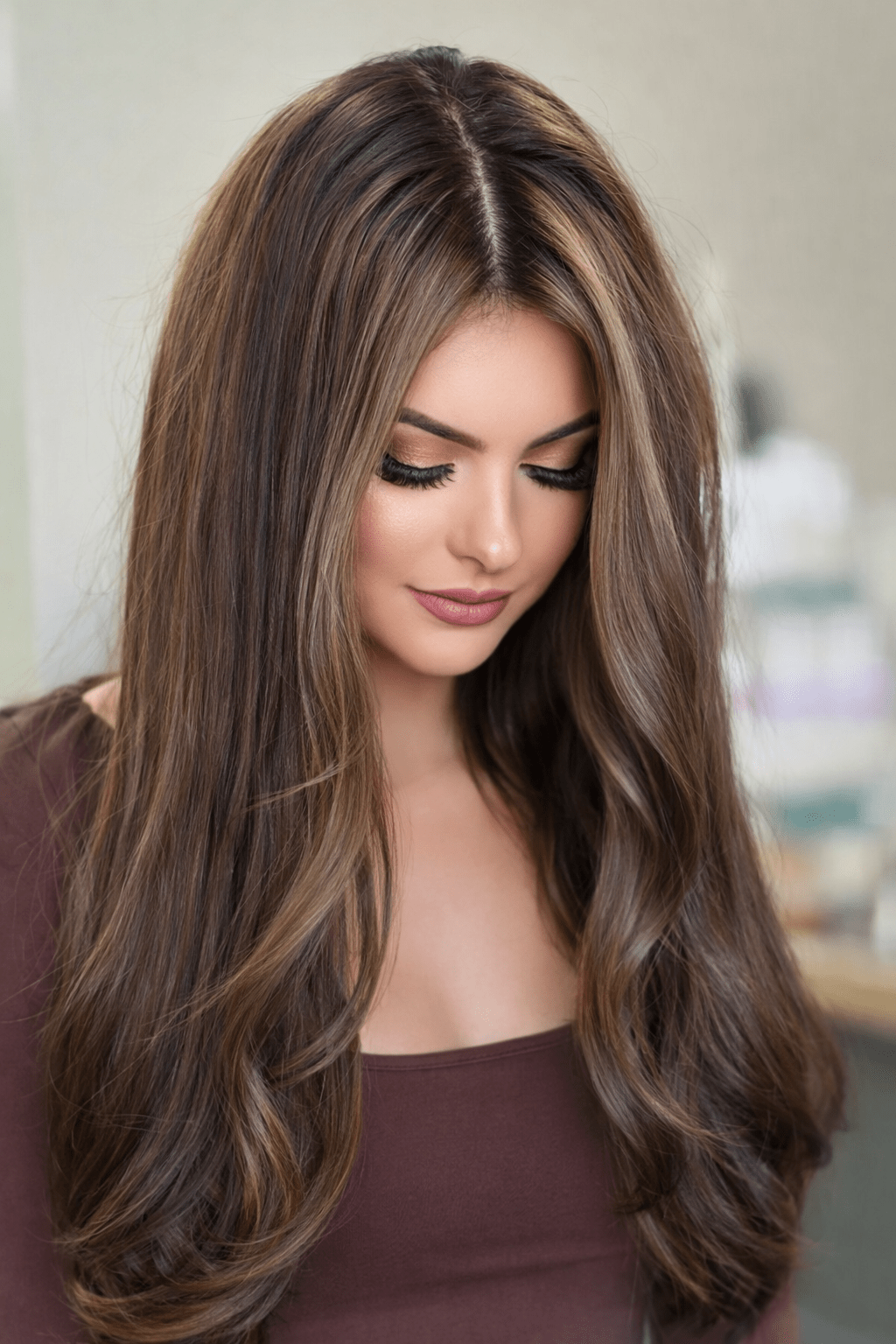
 Hair COLORIST Martin Rodriguez
Leave a comment